
Learn What BCC Skin Cancer Looks Like and How to Distinguish It from Other Conditions in the Little Rock Area
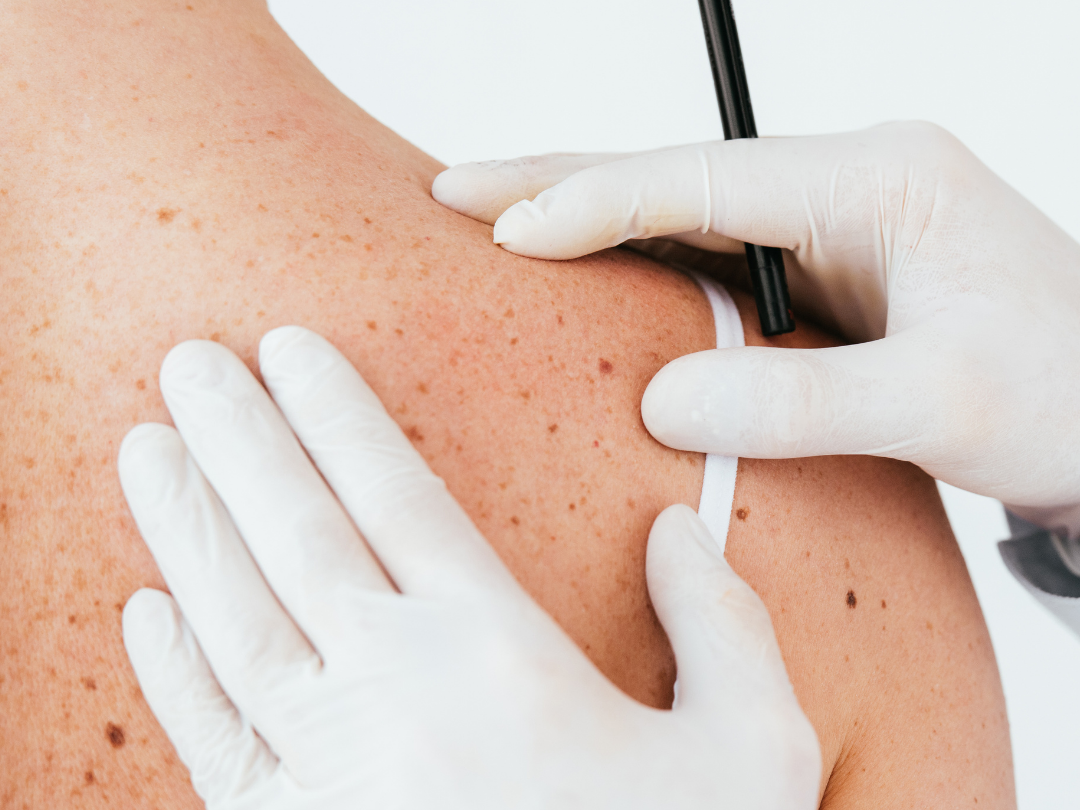
Think a mark on your skin might be basalioma skin cancer? Many skin conditions can look surprisingly similar, making it difficult to tell the difference between something harmless and something more serious. Rashes, pimples, and dry patches often share features with certain types of skin malignancies, leading to confusion and delayed diagnosis. Because some types of skin cancers closely resemble everyday skin issues, it’s important to pay attention to changes, unusual textures, or persistent irritation and seek medical advice when a spot doesn’t heal. We can help you determine whether a spot on your skin is another condition or a sign of basal cell carcinoma (basalioma skin cancer). Meet with our Little Rock-based Dermatology Group of Arkansas to find out more about basalioma skin cancer and other types.
Contact Us Today
Schedule your appointment with a Mohs surgeon or “Mohs doctor” to find out more about basalioma skin cancer in Little Rock. Call Dermatology Group of Arkansas at 501-227-8422 or message us online!

What Can Be Confused with Basalioma Skin Cancer?
Basalioma skin cancer is one of the most common skin cancer varieties, especially in individuals with fair skin and significant sun exposure. This type of skin malignancy can appear in several forms, often mimicking benign conditions. Basalioma skin cancer may look like a persistent pimple, a shiny bump, a red scaly patch, or even a waxy area that resembles a scar. It may develop on the nose or other sun exposed areas. These characteristics make basalioma skin cancer easy to confuse with other skin conditions.
Some of the most common kinds of skin cancers, including basalioma, are often mistaken for acne, eczema, psoriasis, or sebaceous hyperplasia. A red bump that looks like a pimple but bleeds easily or keeps returning could actually be a sign of this skin malignancy. Similarly, a dry, flaky patch mistaken for eczema may instead be a sign of basalioma skin cancer.
Treatment often involves procedures like curettage—a method where the abnormal tissue is scraped away from the skin. Curettage skin techniques are especially useful for superficial lesions. The key to successful outcomes with all skin cancer varieties lies in early detection. If a lesion doesn’t heal, continues to grow, or changes in appearance, it’s essential to consult a dermatologist to rule out skin cancers like basalioma.
Beyond Basalioma Skin Cancer: Which Other Conditions Can Be Treated at Dermatology Group of Arkansas?
Dermatology Group of Arkansas offers care and treatment for skin cancers or cutaneous cancers, such as basalioma skin cancer, also known as BCC skin cancer or basal cell carcinoma skin cancer, squamous cell carcinoma, melanoma, and other skin conditions such as psoriasis, rosacea, and eczema.
We also offer a full lineup of skin-smoothing, glow-boosting treatments to help you look as refreshed as you feel. Want to soften those expression lines? BOTOX® is our go-to for relaxing wrinkle-causing muscles and keeping your look smooth and natural. Looking for a little extra volume or contour? Our hyaluronic acid fillers are like the beauty world’s best-kept secret—plumping, smoothing, and sculpting your features with just the right touch. These non-surgical treatments deliver real, noticeable results without the need for downtime, so you can get back to life looking naturally rejuvenated.
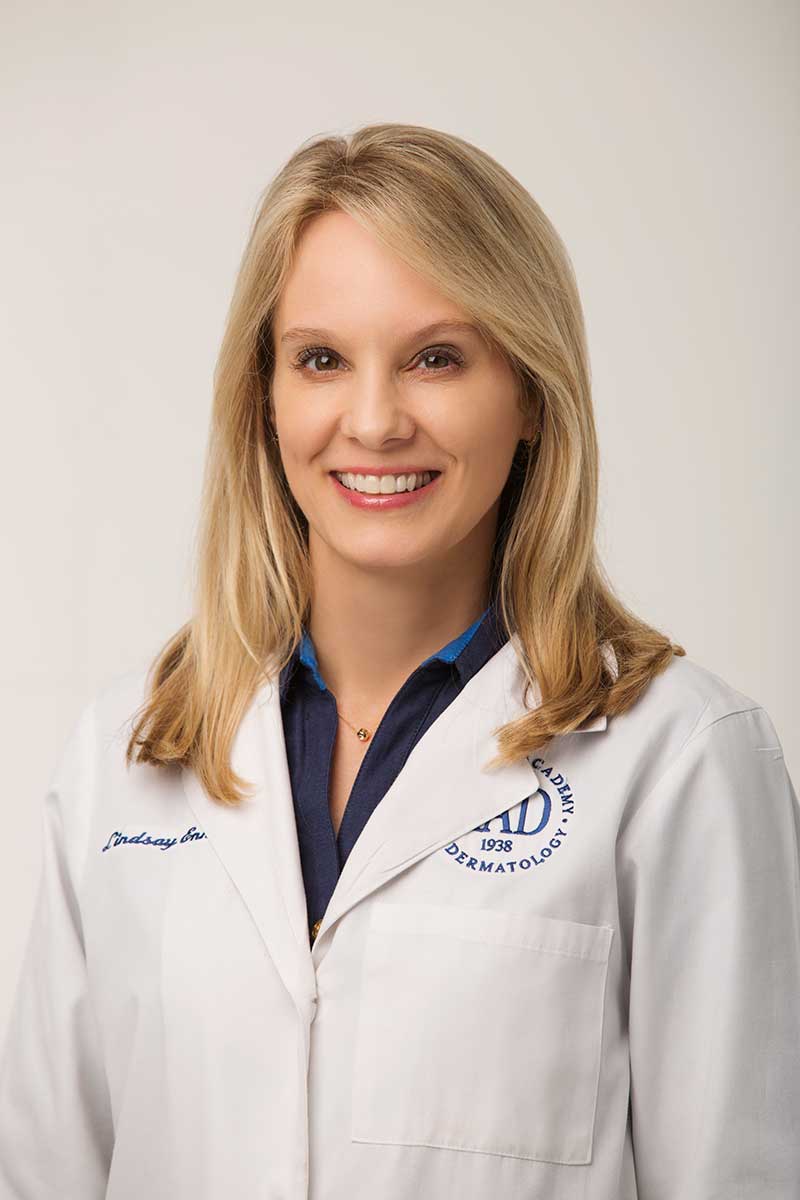
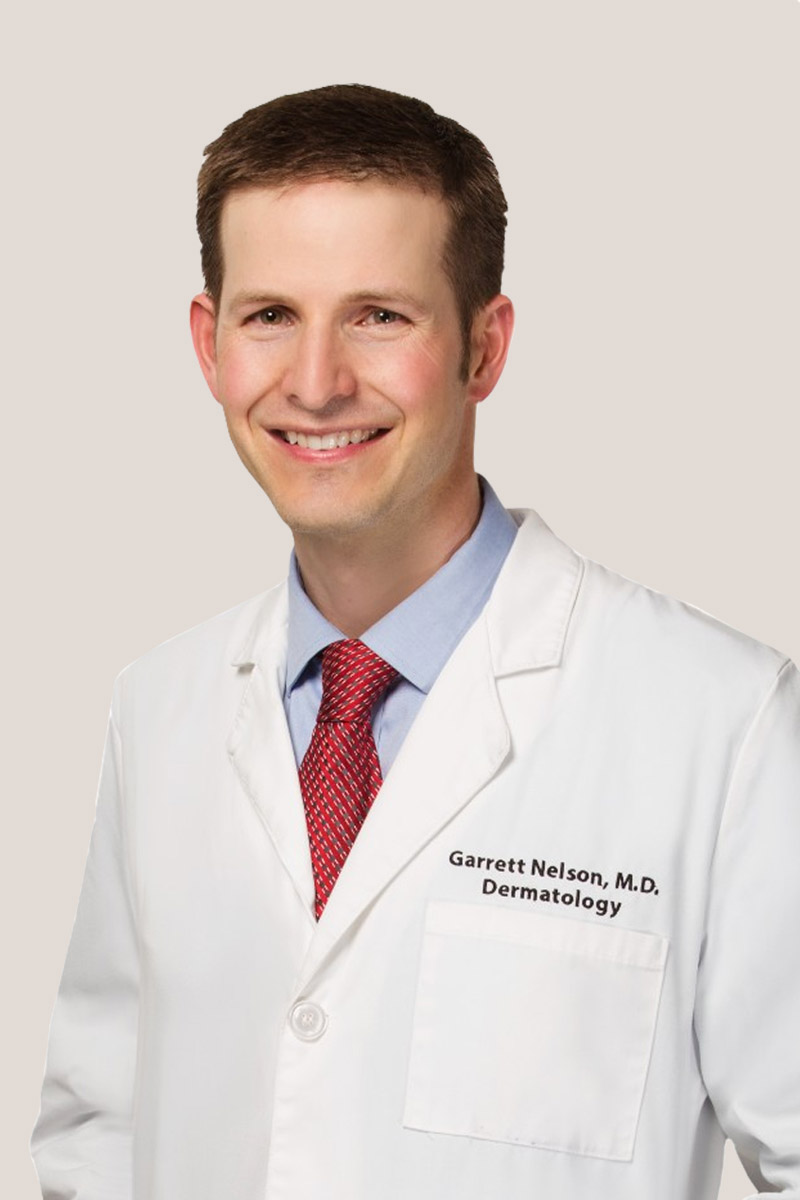
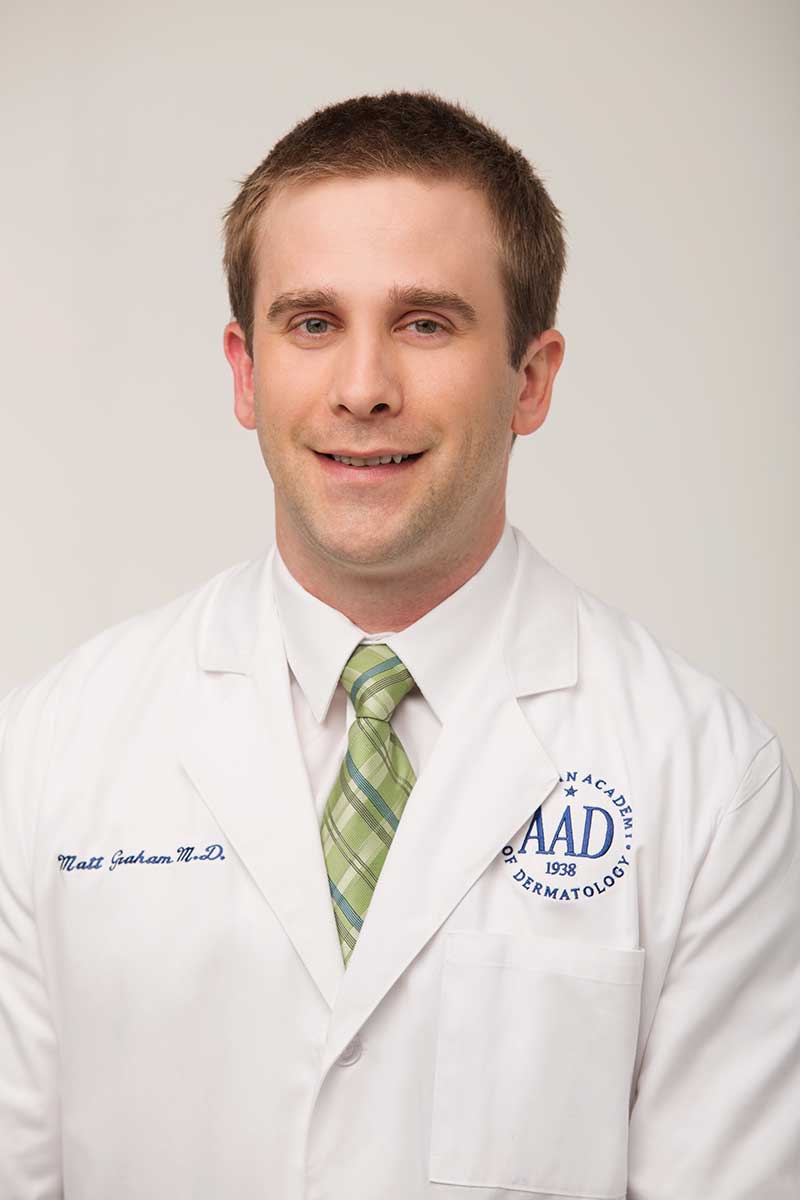
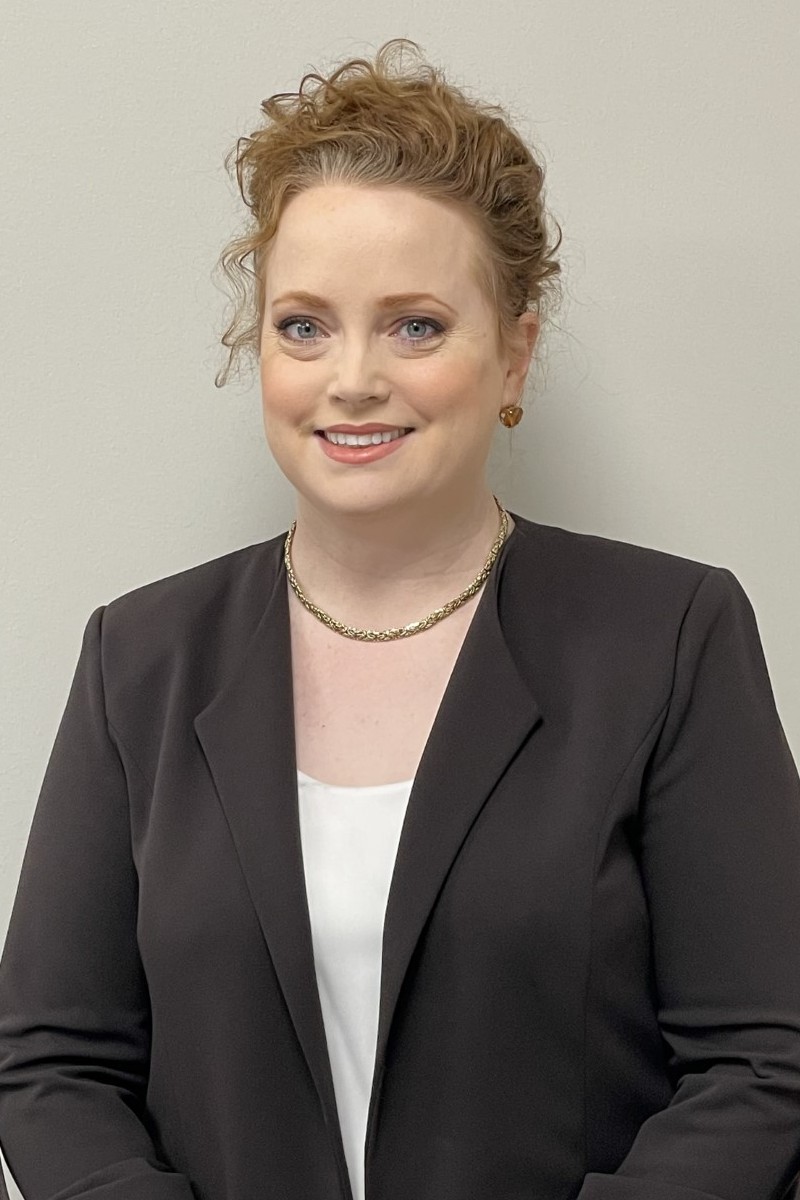
Meet Your Doctors
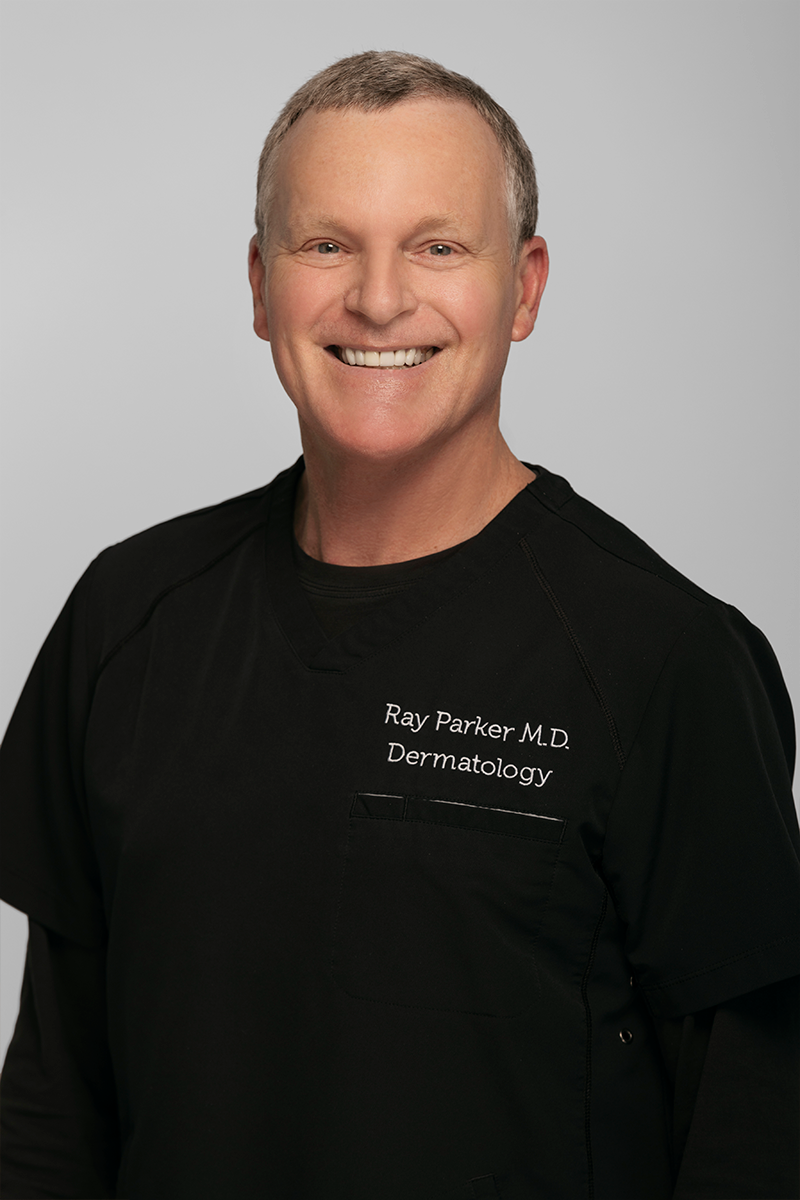
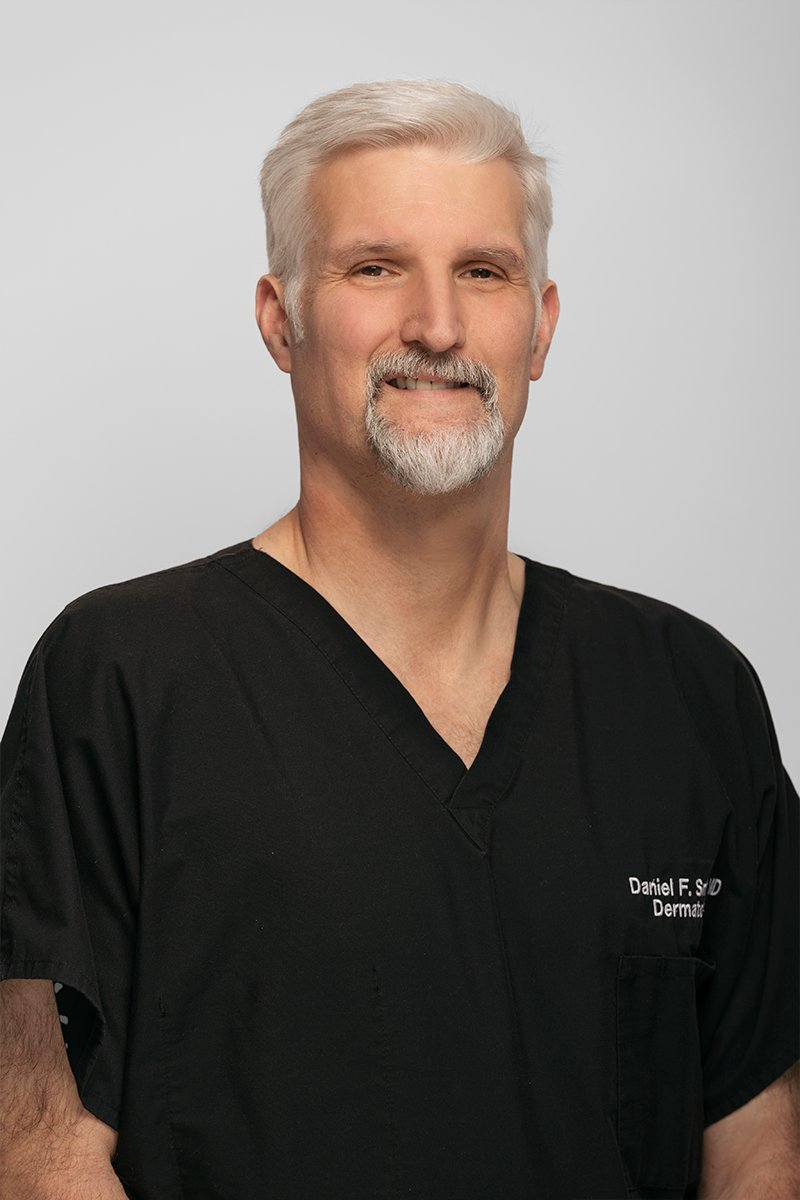
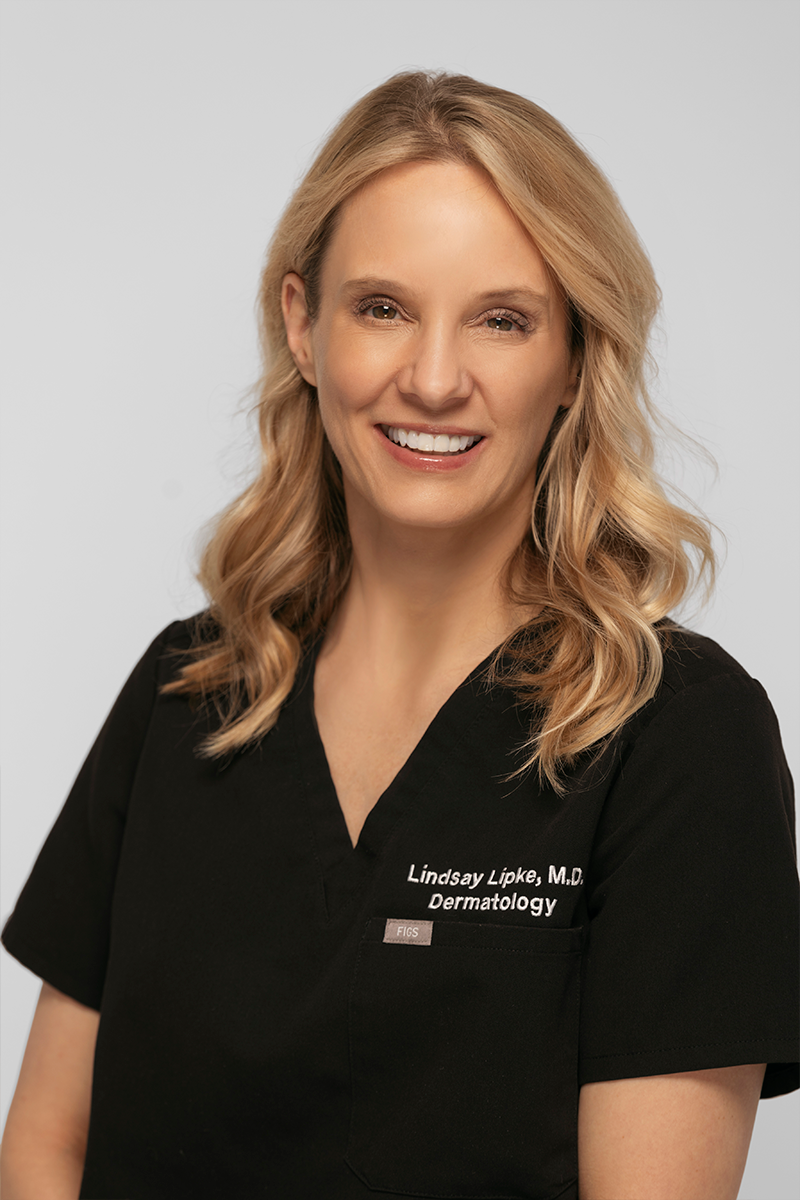
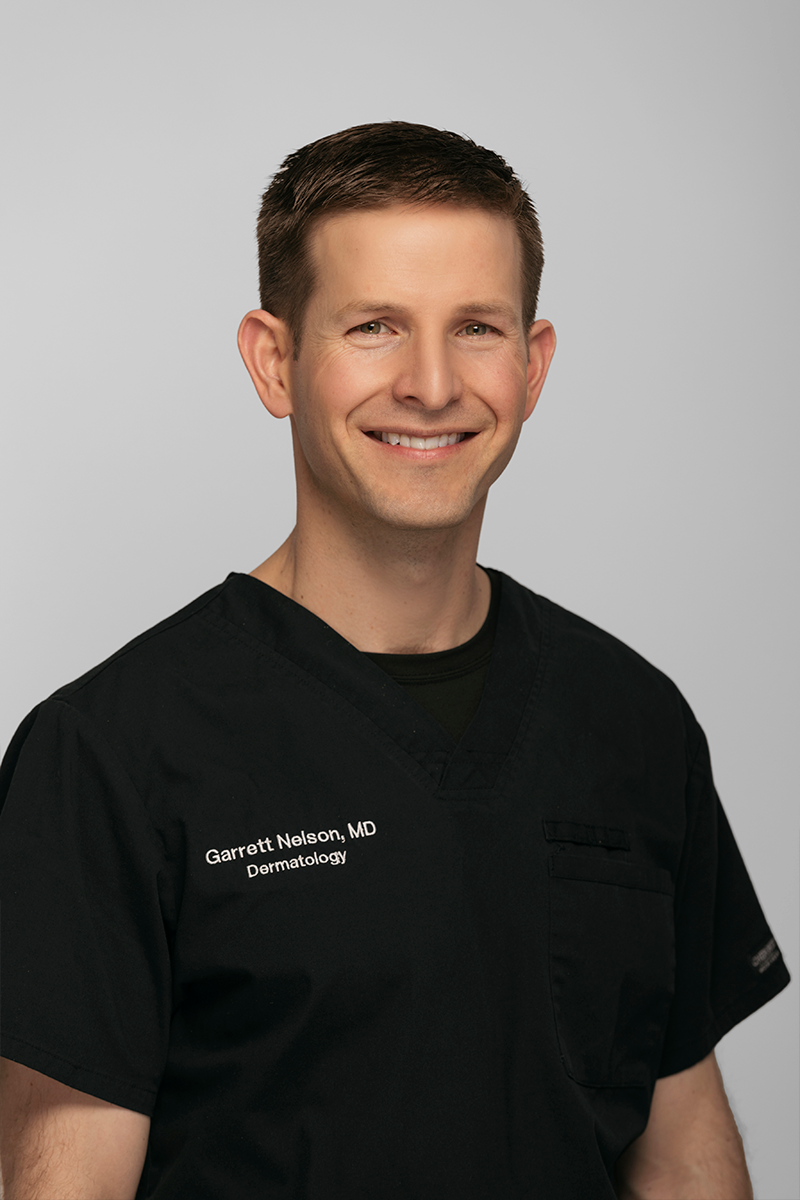
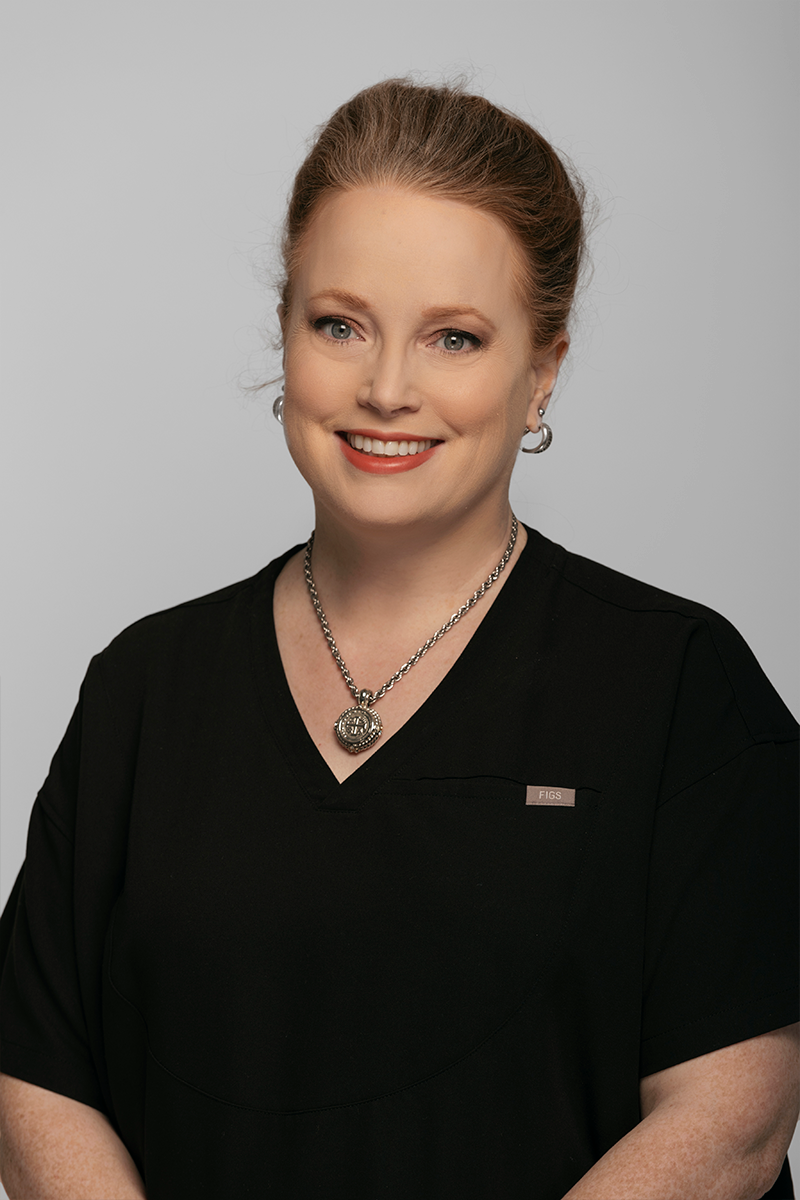
Meet Your Doctors

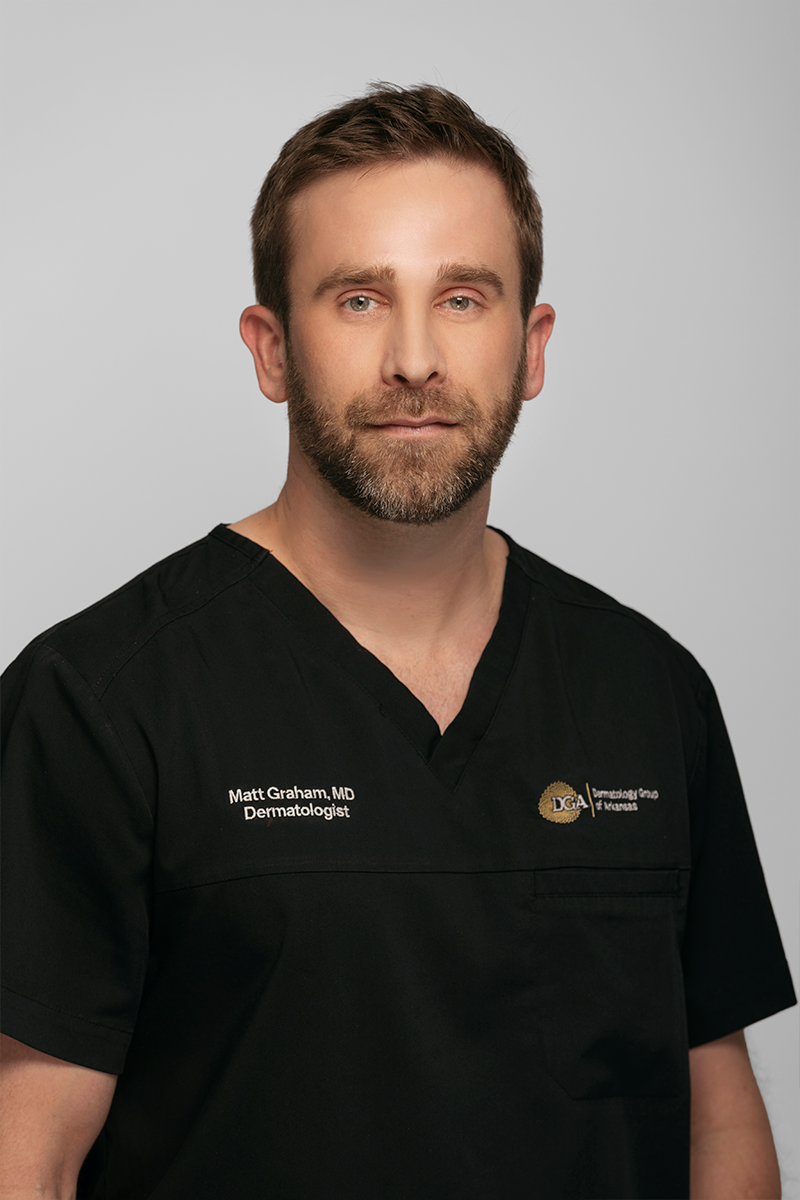
Meet Your Doctors

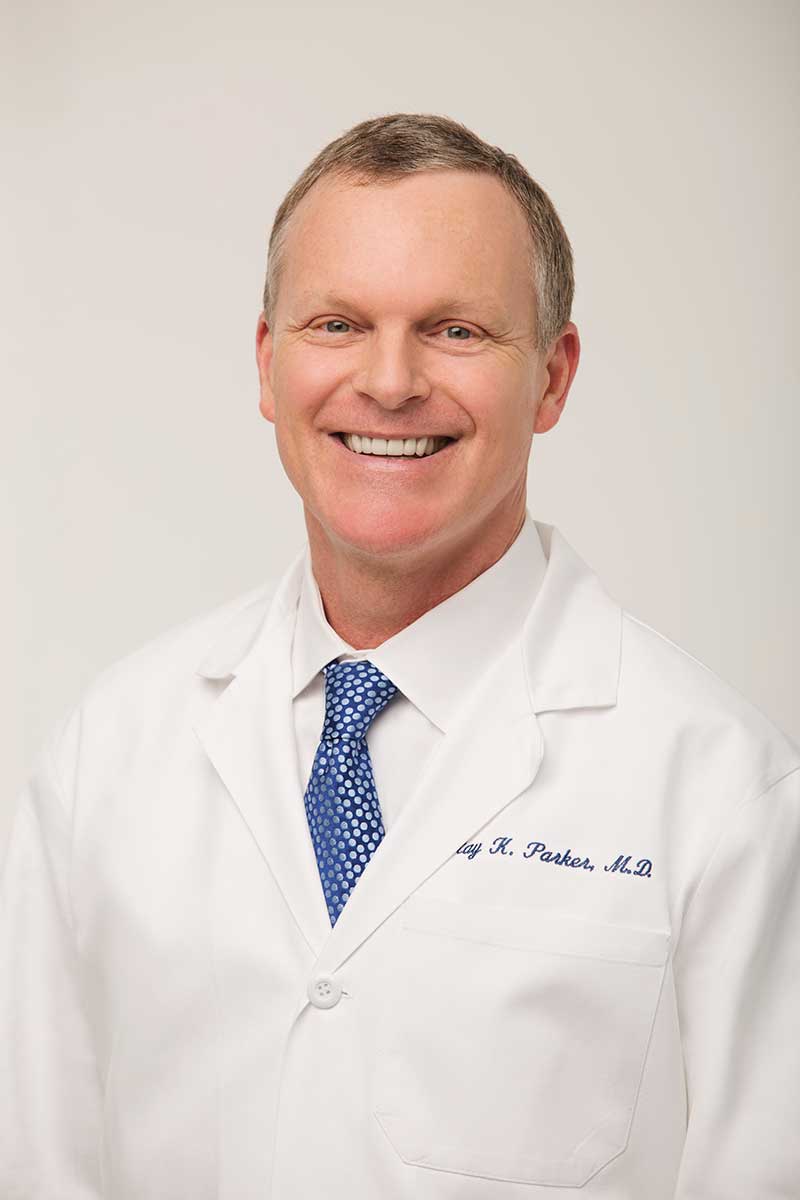
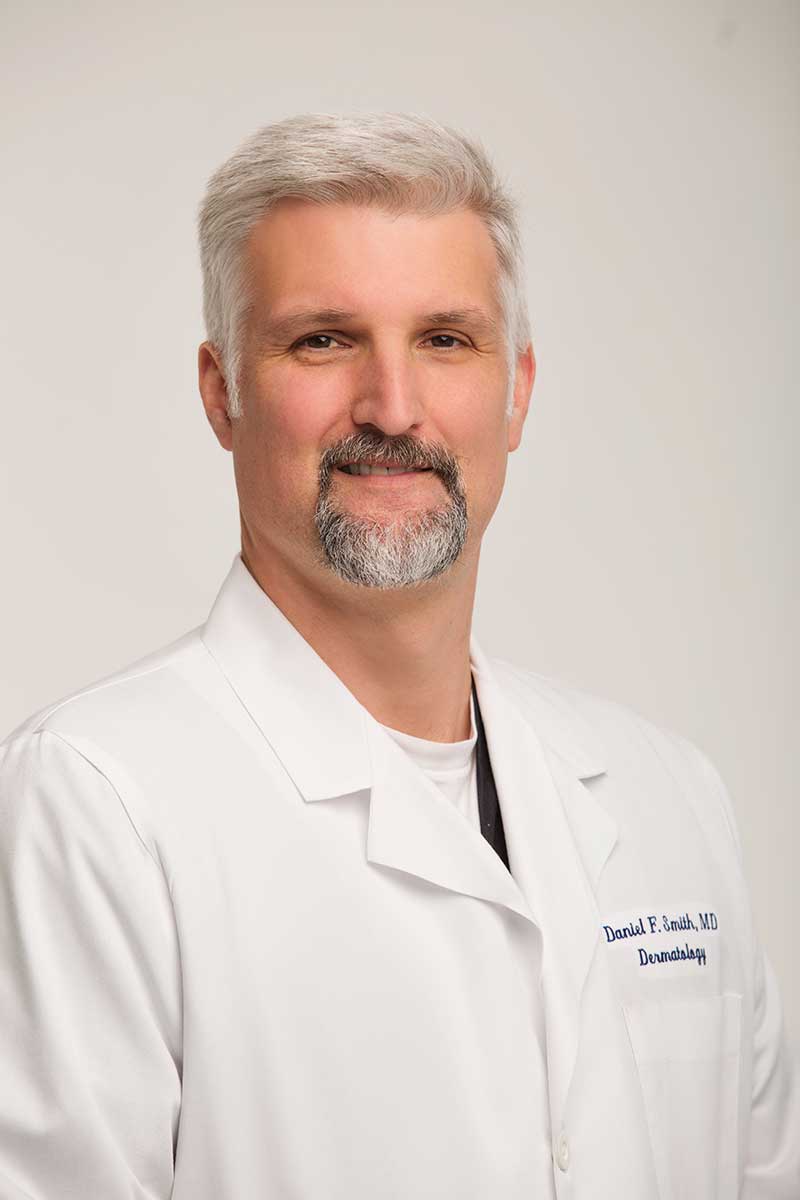
Contact Us Today
Reach out to the Dermatology Group of Arkansas if you are seeking care for basalioma skin cancer in the Little Rock area. Call 501-227-8422 or submit a contact form - we’re here to support you.