
Collagen-Boosting Skin Rejuvenation Treatments in Little Rock, Arkansas
Microneedling at Little Rock’s Dermatology Group of Arkansas is a minimally invasive cosmetic procedure that helps improve skin tone, texture, and overall skin health by stimulating the body’s natural production of collagen and elastin. We use SkinPen®, the only FDA-cleared microneedling device in the United States as of 2026, to safely and effectively enhance skin renewal.
Collagen is a key structural protein responsible for maintaining skin firmness, fullness, and a youthful appearance. Elastin allows the skin to stretch and return to its original shape, supporting smooth, resilient skin function. As the skin ages, natural collagen and elastin production declines, leading to fine lines, loss of elasticity, dryness, and a more uneven or dull complexion. Sun exposure can accelerate this process, contributing to premature aging and the development of pigmentation irregularities and sunspots.
Microneedling helps counter these effects by triggering the skin’s natural healing response, encouraging healthier, more radiant, and more even-looking skin over time.
Contact Us Today
Start your skin rejuvenation journey by scheduling a microneedling consultation in Little Rock, AR. Call us at the Dermatology Group of Arkansas at 501-227-8422 or book online.

How Microneedling Works to Rejuvenate the Skin
The skin has a strong natural ability to heal itself. Microneedling leverages this process by creating controlled micro-injuries using ultra-fine needles. These micro-injuries trigger the body’s natural wound-healing response, stimulating the production of collagen and elastin.
Because the punctures are extremely small, the healing process extends beyond just the treated points. The skin also works to repair surrounding damage, including fine lines, sun damage, and other visible signs of aging.
Results develop gradually as new collagen forms. Patients typically notice improved skin texture and tone in the weeks and months following treatment. Microneedling is minimally invasive, requires little to no downtime, and can be performed year-round.
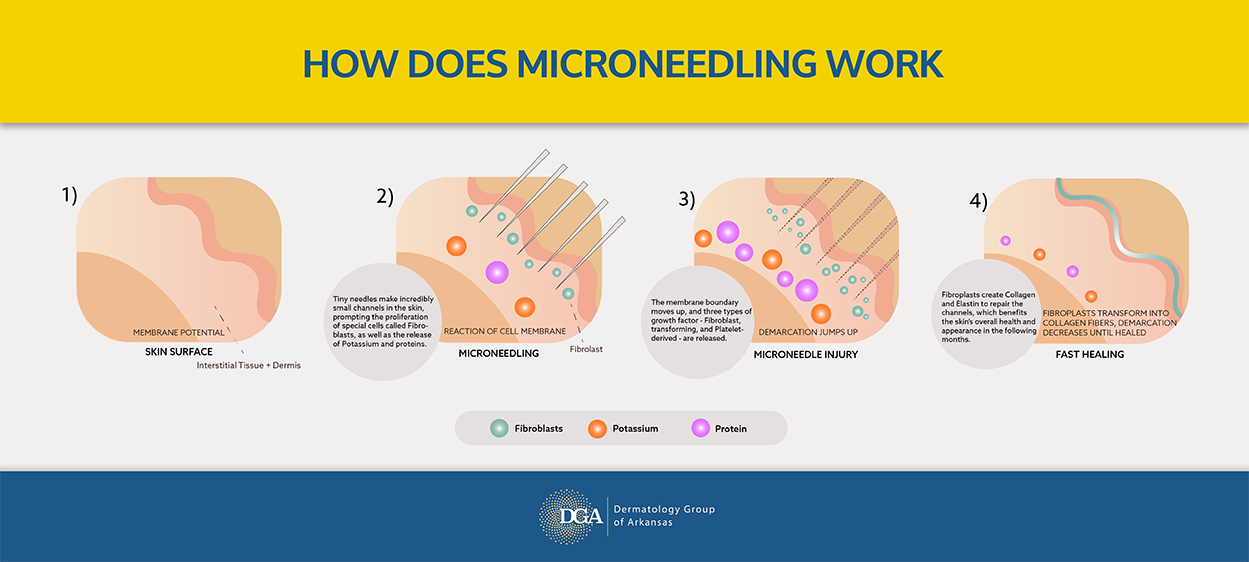
Microneedling at Little Rock’s Dermatology Group of Arkansas, also referred to as collagen induction therapy, is a minimally invasive skin rejuvenation treatment that creates controlled micro-injuries with thin needles, encouraging natural collagen and elastin production. This treatment can help improve many skin concerns. By creating tiny channels in the skin, microneedling strongly promotes the proliferation of fibroblasts and the release of various proteins such as growth factors and collagen. These are essential for repairing your skin and stimulating new, healthy tissue.
What Skin Concerns Can Microneedling Treat?
Microneedling stimulates the skin’s natural wound-healing process, making it an effective treatment for overall skin rejuvenation as well as specific concerns such as hyperpigmentation (areas of darker skin tone) and acne scarring.
As new collagen is produced, the skin gradually becomes firmer, smoother, fuller, and more even in tone and texture. This improvement continues to develop over time as collagen remodeling occurs beneath the surface.
As collagen naturally breaks down over time, maintenance treatments may be recommended to help preserve long-term results and ongoing skin improvement.
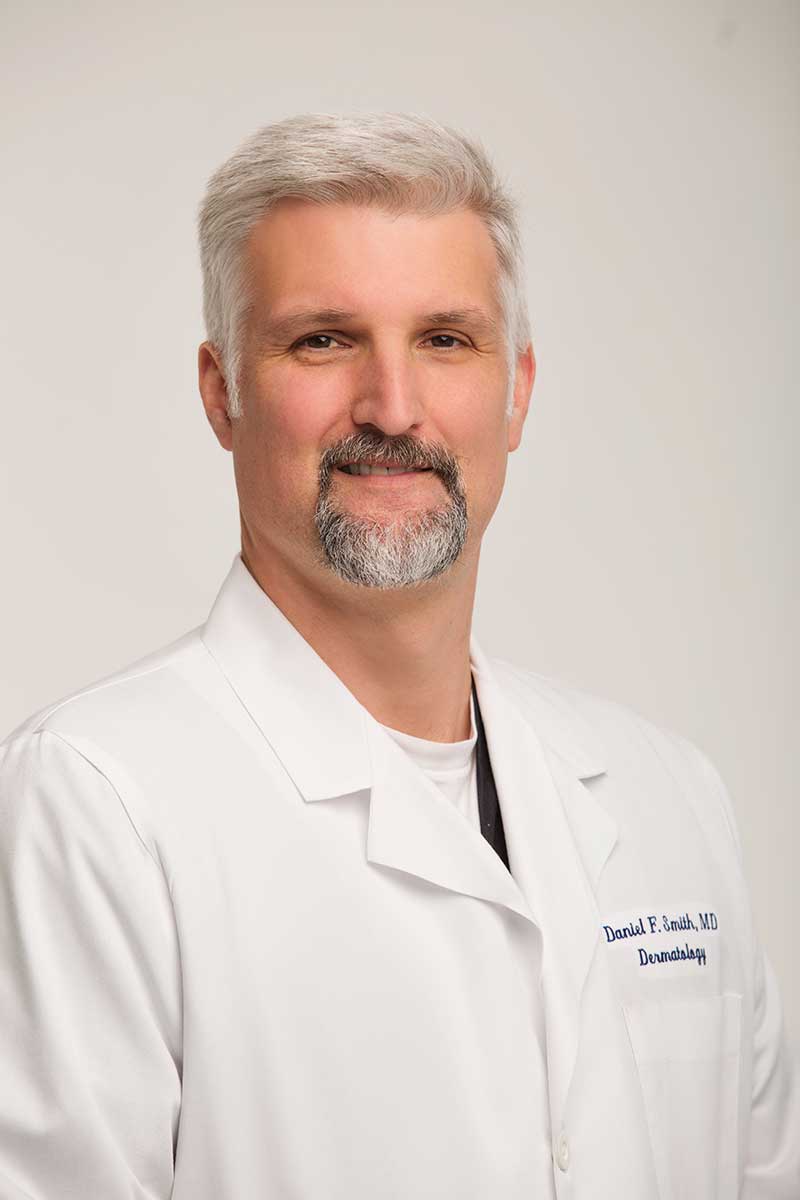
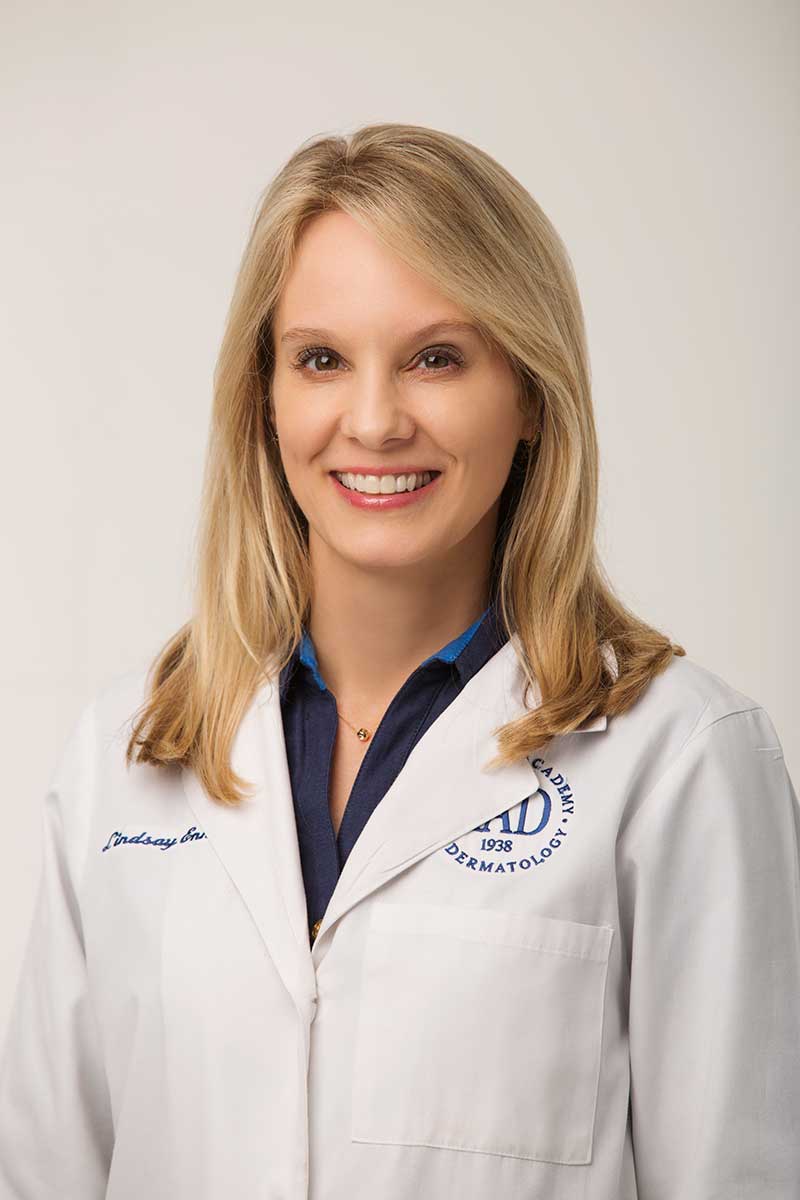
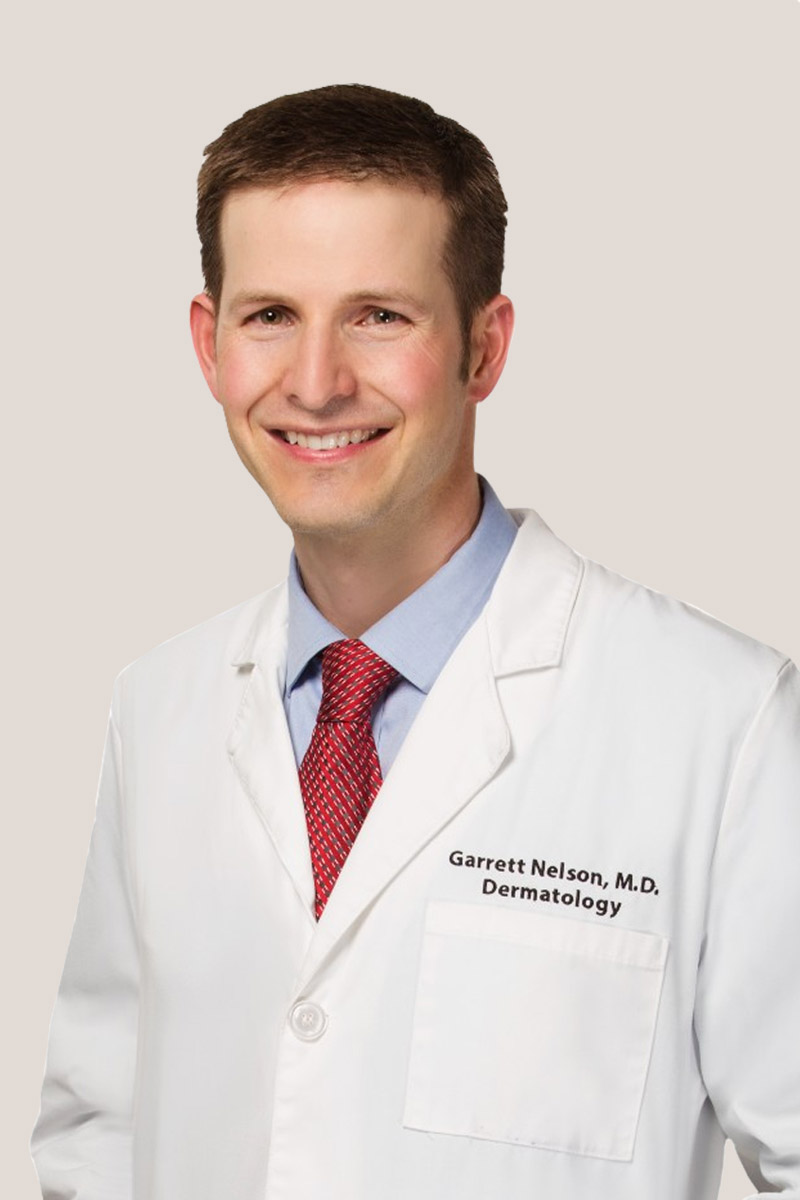
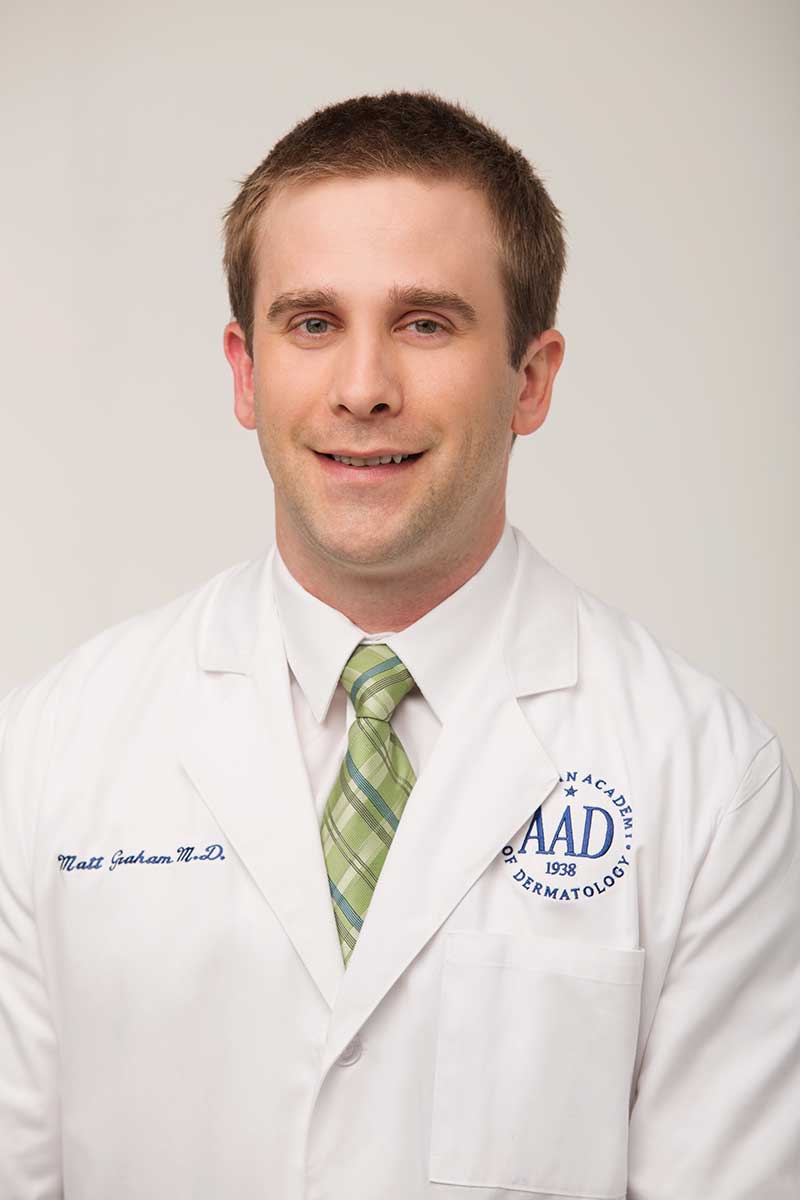
Meet Your Doctors
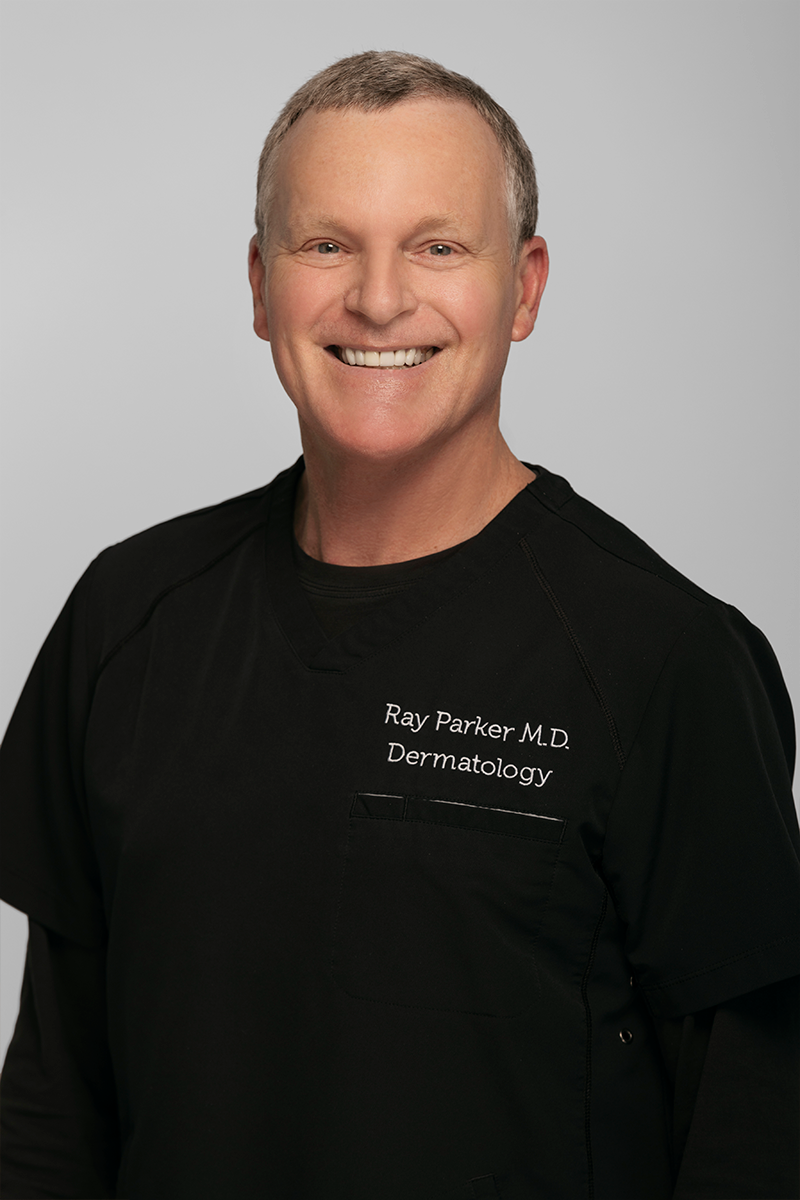
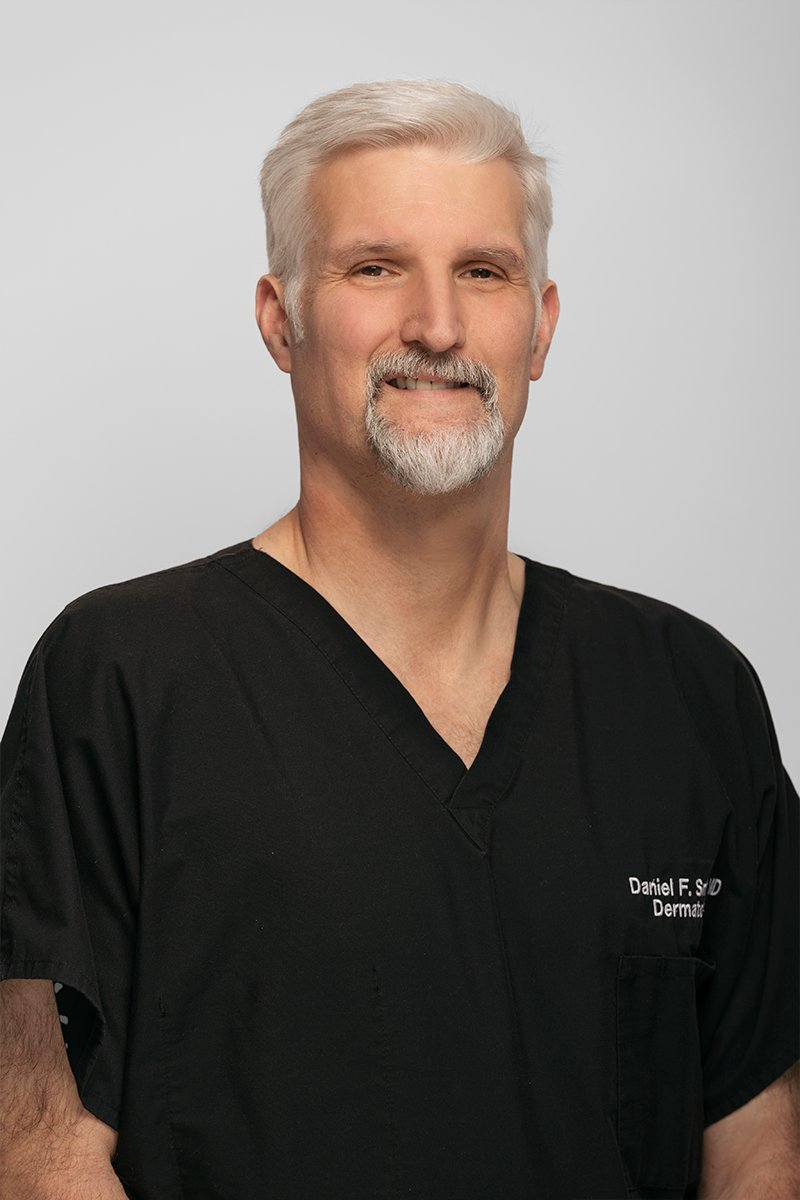
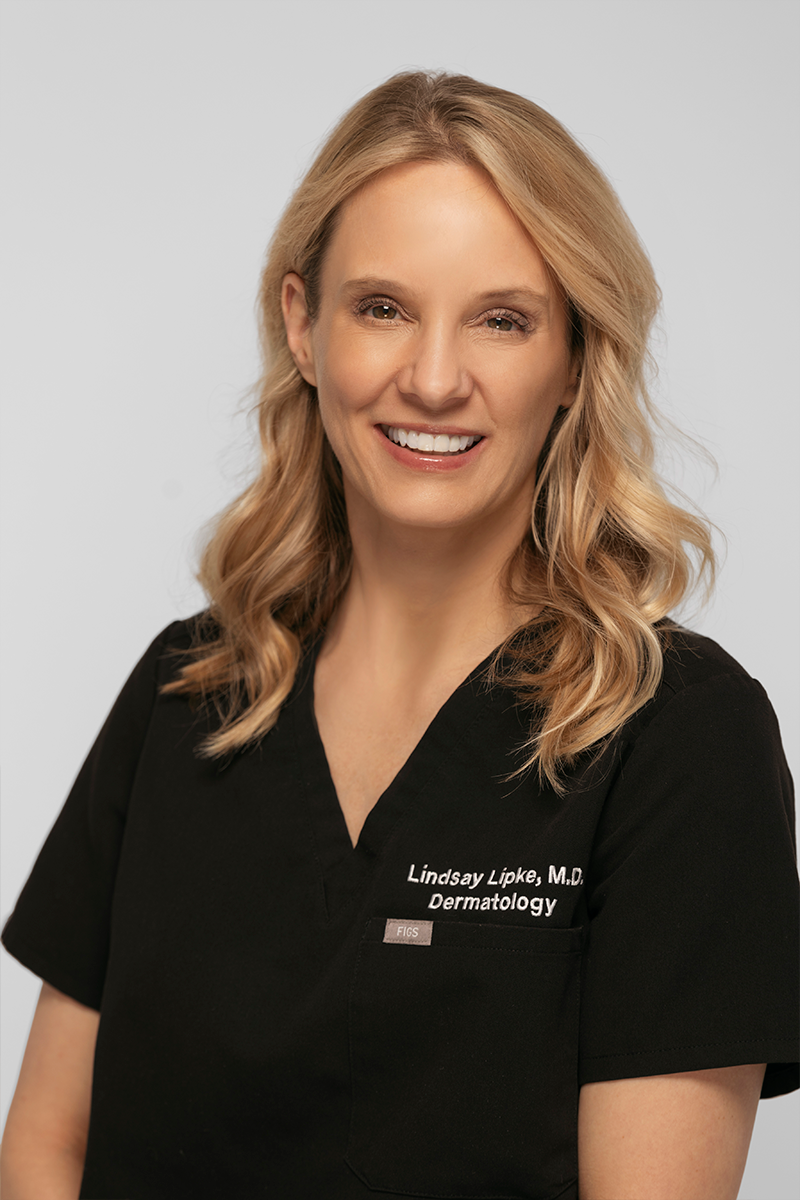
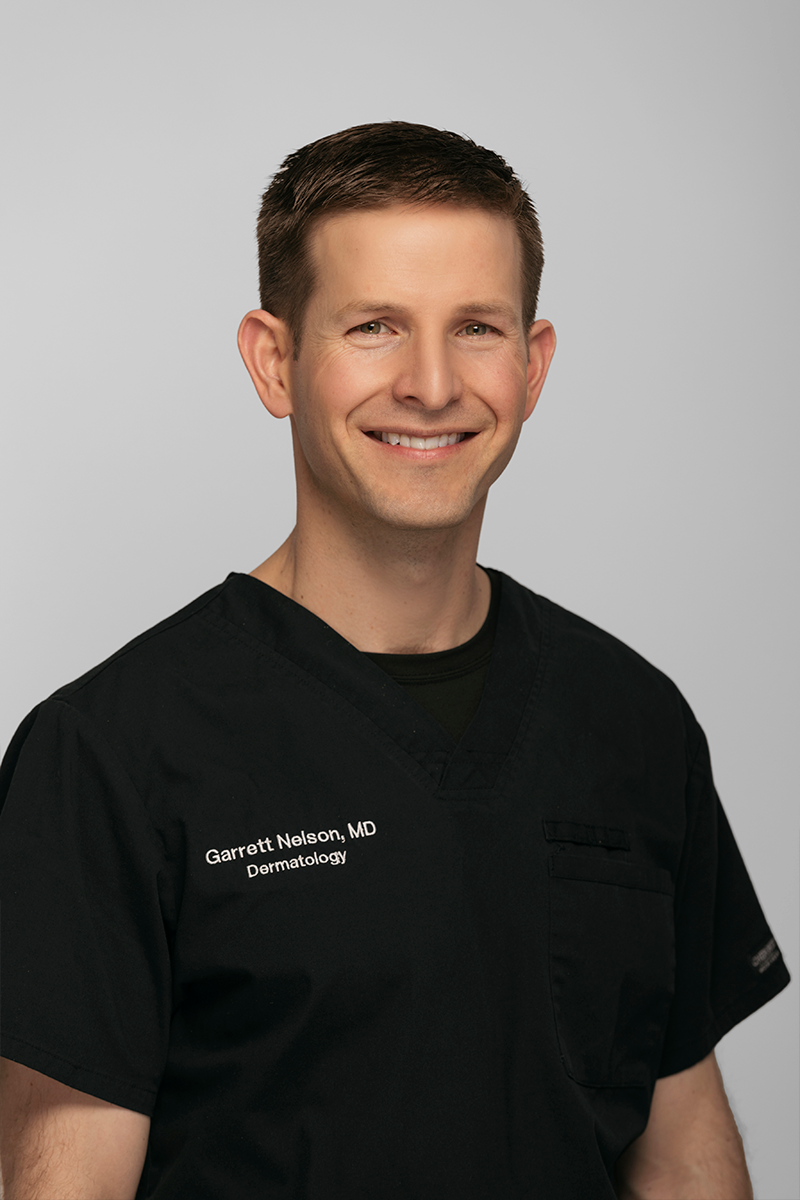
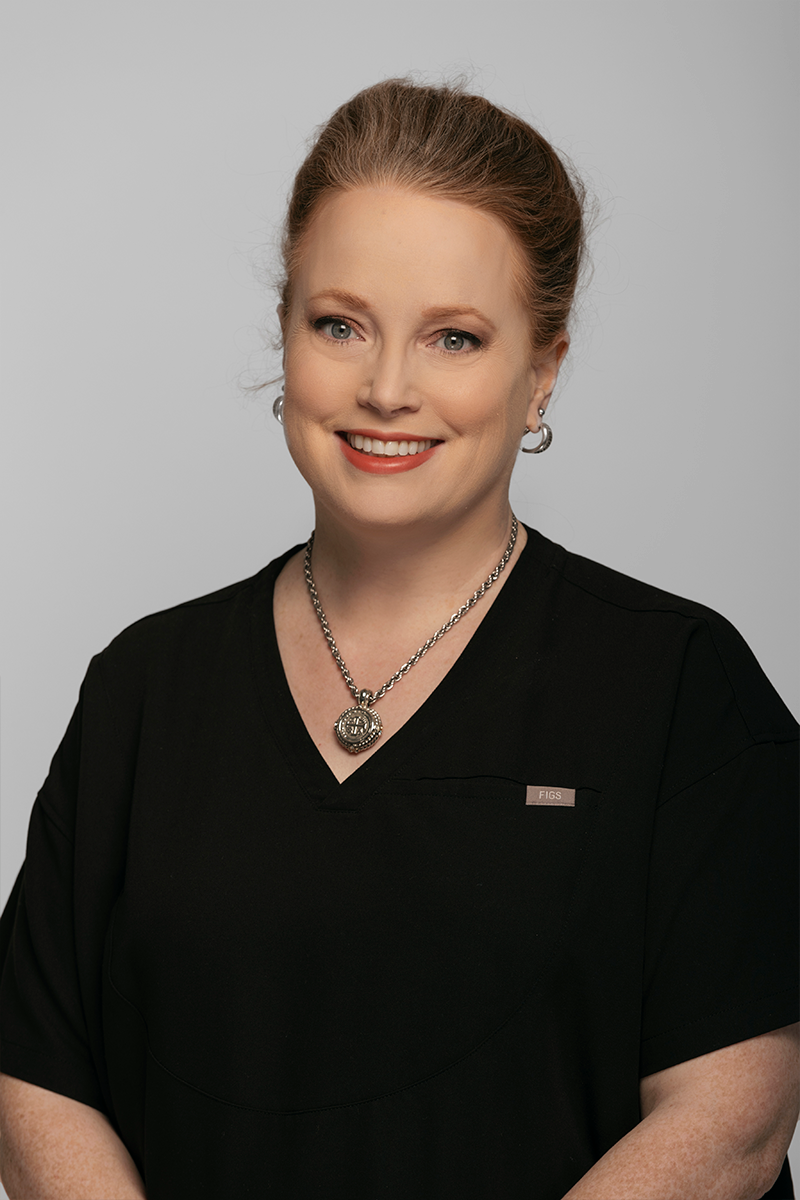
Meet Your Doctors

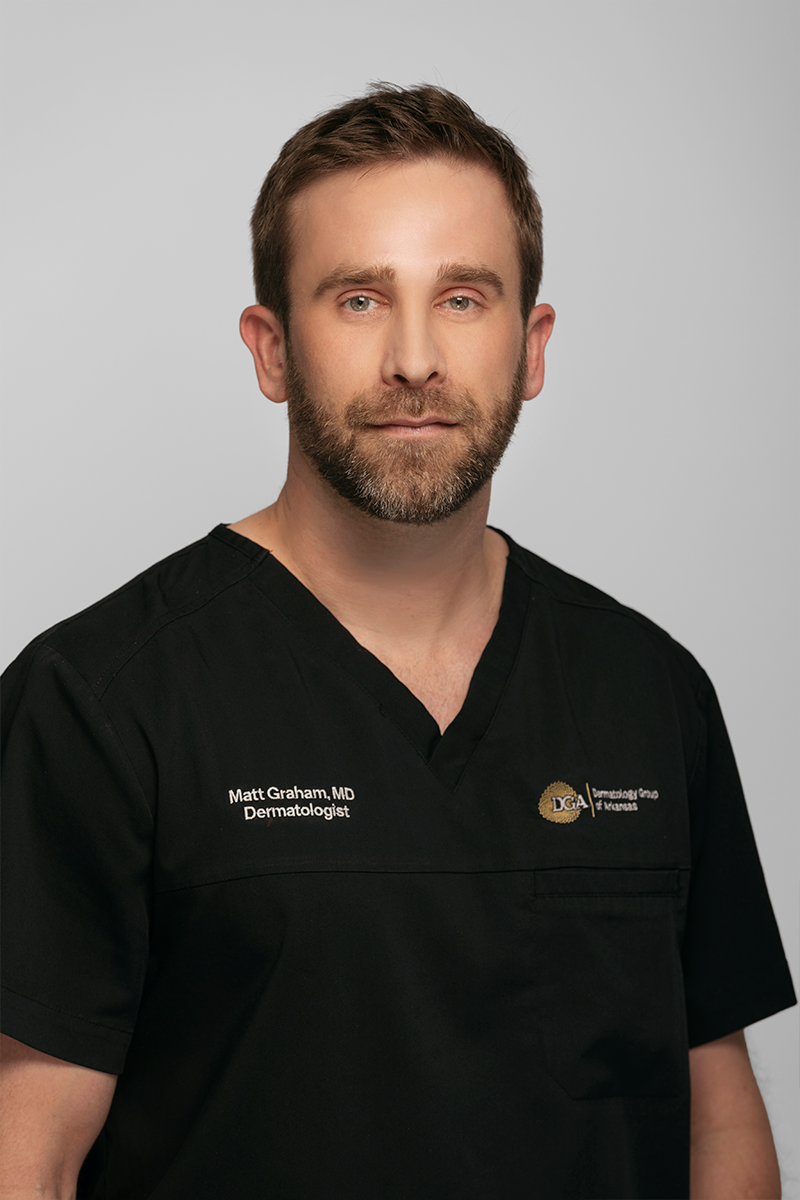
Meet Your Doctors

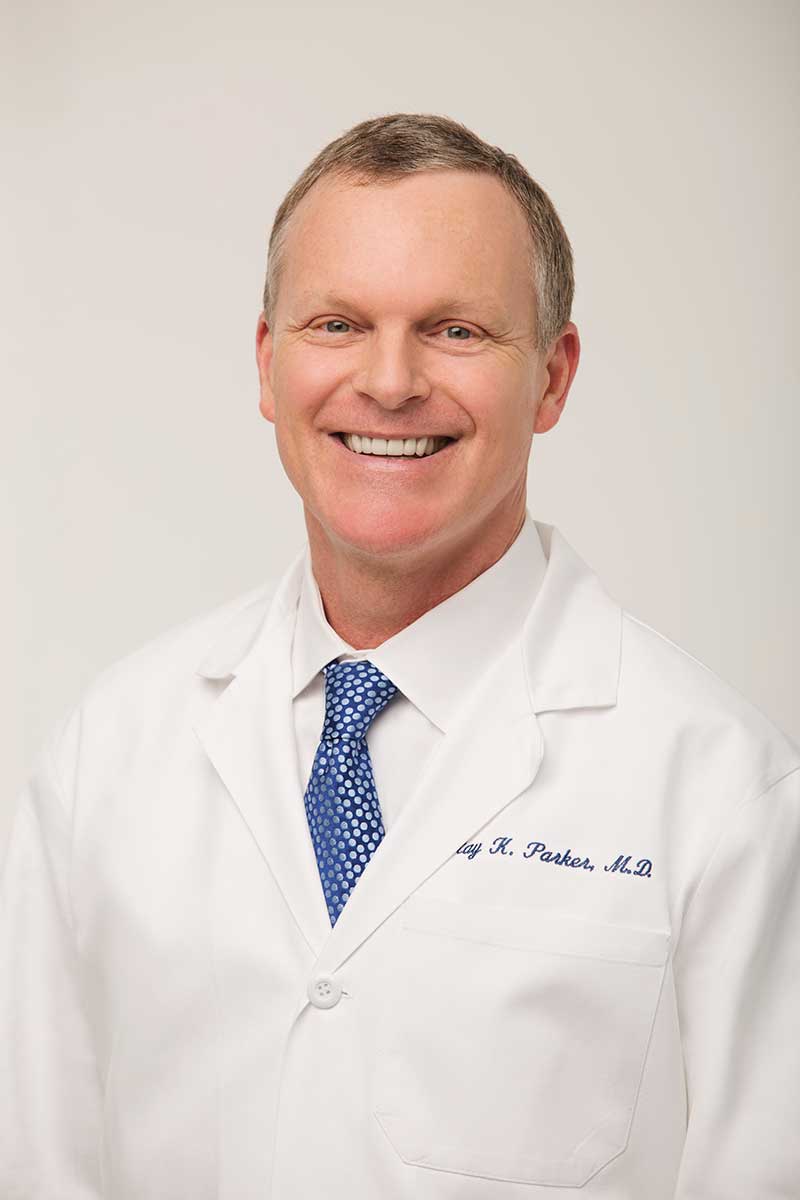
Should You Combine PRP with Microneedling?
Microneedling creates thousands of controlled micro-channels in the skin. These tiny openings allow topical products to penetrate more effectively than they would on intact skin, enhancing absorption and improving overall results.
To further amplify outcomes, microneedling can be combined with platelet-rich plasma (PRP) therapy. PRP is created from the patient’s own blood and applied immediately after treatment. The concentrated platelets deliver growth factors directly into the skin, supporting healing and stimulating tissue regeneration.
As the micro-channels close, PRP continues to work within the skin, helping to rejuvenate surrounding tissue and enhance overall results—functioning as an advanced “boost” to traditional microneedling therapy.
Microneedling FAQs
Are Other Skin Rejuvenation Treatments Available?
Have you been searching for, “Microneedling near me” or “Microneedling cost?” Encouraging collagen production and natural healing with a professional microneedling pen is an ideal way to revitalize the skin. Other treatments that trigger these processes include chemical peels and laser skin resurfacing. We can determine which would work best for you by examining your skin, hearing your aesthetic goals, and developing a plan that focuses on delivering customized results.
Contact Us Today
Reach out today to schedule your microneedling consultation at Little Rock’s Dermatology Group of Arkansas. Call 501-227-8422 or book online.