
Full-Body Skin Exams
Comprehensive Skin Cancer Screening in Little Rock, AR
A full-body skin exam is a comprehensive, head-to-toe evaluation performed by a dermatologist to look for suspicious moles, skin lesions, precancerous changes, and possible signs of skin cancer. During a professional skin cancer screening, your dermatologist examines your skin from the scalp to the soles of your feet and evaluates areas of concern based on your personal history, family history, and skin cancer risk factors. At Dermatology Group of Arkansas, full-body skin exams are available for patients in Little Rock and surrounding Central Arkansas communities.
Melanoma, the most aggressive form of skin cancer, can develop and spread quickly if left undiagnosed. A thorough full-body skin exam allows our dermatologists to identify concerning lesions early and begin prompt treatment—often before the cancer has a chance to reach the lymph nodes or other vital organs.
Contact Us Today
Schedule a full-body skin exam in Little Rock, AR, at Dermatology Group of Arkansas. Our board-certified dermatologists provide comprehensive skin cancer screenings to identify suspicious moles, lesions, and other skin changes as early as possible. Call 501-227-8422 or request an appointment online today.

Full-Body Skin Exam at a Glance
What it is: A dermatologist-performed examination of the skin from head to toe.
What it checks for: Suspicious moles, changing lesions, precancerous skin changes, and signs of skin cancer.
Who should consider one: Anyone can develop skin cancer, but screening is particularly important for people with risk factors such as previous skin cancer, numerous or atypical moles, significant sun exposure, tanning bed use, or a family history of melanoma.
How often: Screening frequency depends on your individual risk factors and your dermatologist’s recommendations.
What happens if something looks concerning: Your dermatologist may recommend monitoring, further evaluation, or a biopsy when appropriate.
Where: Dermatology Group of Arkansas serves patients in Little Rock and surrounding Central Arkansas communities.
What Is Skin Cancer? Causes and How It Develops
Full-body skin exams are highly recommended for all adults, especially those who have a high risk for skin cancer. Skin cancer occurs when there’s an abnormal, uncontrollable growth of skin cells because of DNA damage. This disease is usually caused by overexposure to UV rays from the sun or artificial sources.
Skin cancers form outside of the body and are visible in most cases. They represent the most commonly diagnosed type of cancer in the world—but fortunately, they are also the most preventable. With that in mind, patients should take a proactive approach toward prevention. Full-body skin exams—both at home and with a dermatologist—can help you detect skin cancer at an early, treatable stage.
What are Full-Body Skin Exams and Why Do They Matter?
Full-body skin exams are comprehensive, head-to-toe skin cancer screenings performed by a dermatologist to identify suspicious moles, lesions, and other skin changes as early as possible. During a full-body skin exam in Little Rock, AR, your dermatologist carefully examines the skin from the scalp and face to the trunk, arms, legs, hands, feet, and other areas where skin cancer can develop.
Routine skin cancer screenings are especially important for people with a history of significant sun exposure, frequent sunburns, numerous or atypical moles, or other risk factors for skin cancer. A dermatologist may look for new or changing moles, unusual growths, precancerous skin changes, and warning signs of melanoma, basal cell carcinoma, and squamous cell carcinoma. Melanoma is the most serious form of skin cancer, so identifying suspicious changes early can be critical for prompt diagnosis and treatment.
A full-body skin exam can also help identify potential skin cancer before noticeable symptoms develop. If your dermatologist finds a spot that requires further evaluation, they may recommend additional testing, such as a skin biopsy, and discuss appropriate skin cancer treatment.
Regular skin cancer screenings are an important part of preventive dermatologic care. If you notice a new, changing, bleeding, or unusual spot on your skin, or if you have risk factors for skin cancer, schedule a comprehensive full-body skin exam with the dermatology team at Dermatology Group of Arkansas.
What Does a Dermatologist Look for During a Full-Body Skin Exam?
The dermatologist may evaluate:
- New or changing moles
- Asymmetrical or irregularly bordered lesions
- Changes in color or pigmentation
- Suspicious growths
- Rough or scaly patches
- Sores that do not heal
- Precancerous skin changes
- Signs that may indicate melanoma or other forms of skin cancer
What to Expect During a Full-Body Skin Exam
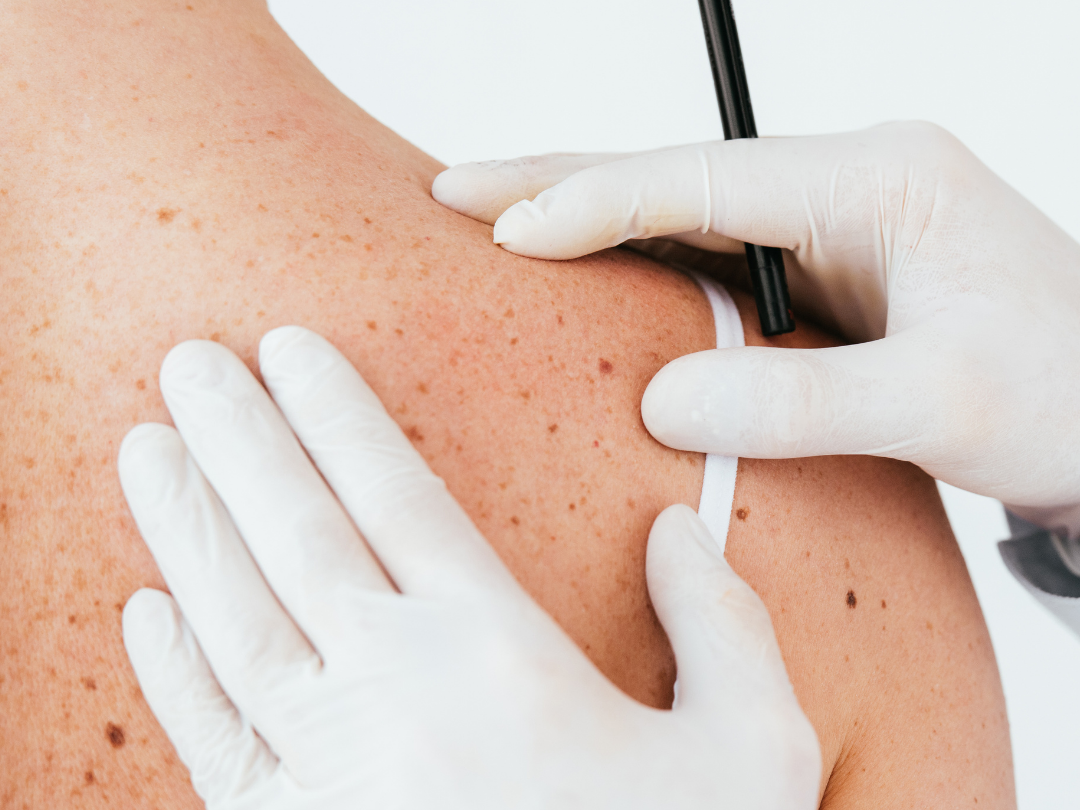
During a full-body skin exam, your dermatologist examines the skin from scalp to soles using bright clinical lighting and magnification as needed. We review your personal and family history, risk factors for skin cancer, and any spots you’ve noticed. We assess moles with the ABCDE rule (Asymmetry, Border, Color, Diameter, Evolving) and check other skin lesions such as rough patches, non-healing sores, new growths, and pigmented spots. Many patients describe full-body skin exams as quick, comfortable, and reassuring.
To get the most out of a full-body skin exam, there are several steps you can take beforehand. Examine your skin and make notes or take pictures of any unusual spots or new changes on your skin to bring to your appointment. Take off any bandages, braces, or other coverings on your skin. Patients will need to remove their clothing in order for the dermatologist to be able to fully see as much skin as possible during their full-body skin exam. Wear comfortable clothing that is easy to remove. Avoid heavy makeup, nail polish on fingernails or toenails, and self-tanner the day of your appointment, since these can obscure findings. Bring a list of medications and note any spots that worry you so we can review them together during your full-body skin exam.
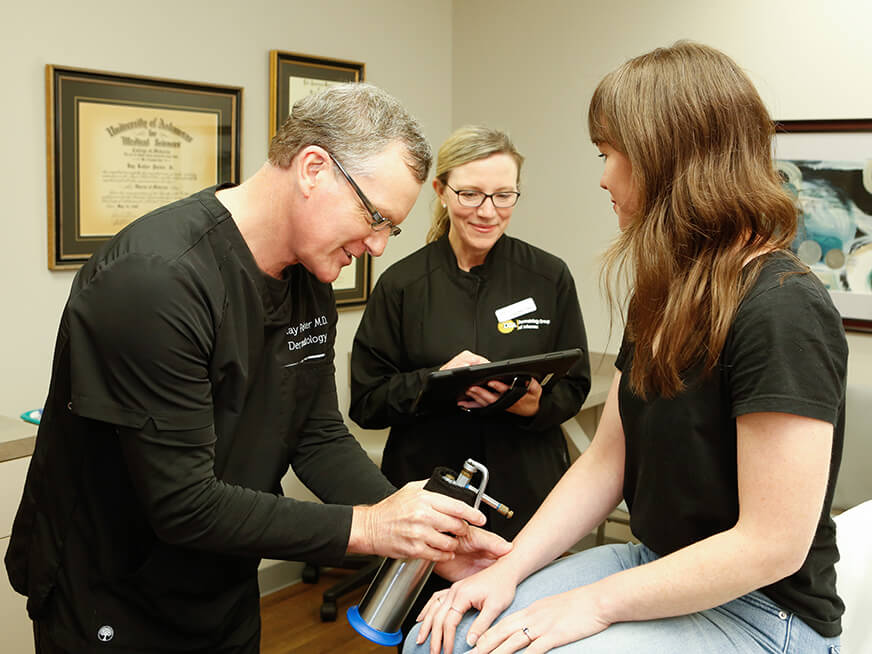
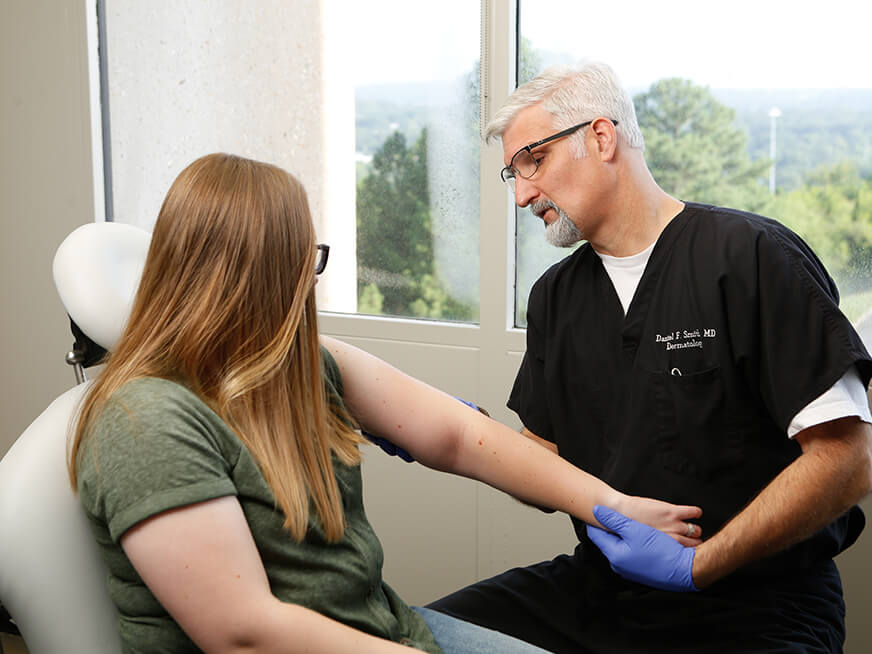
During your full-body skin exam, our dermatologist will visually examine all visible skin, noting any spots that should be tested or biopsied.
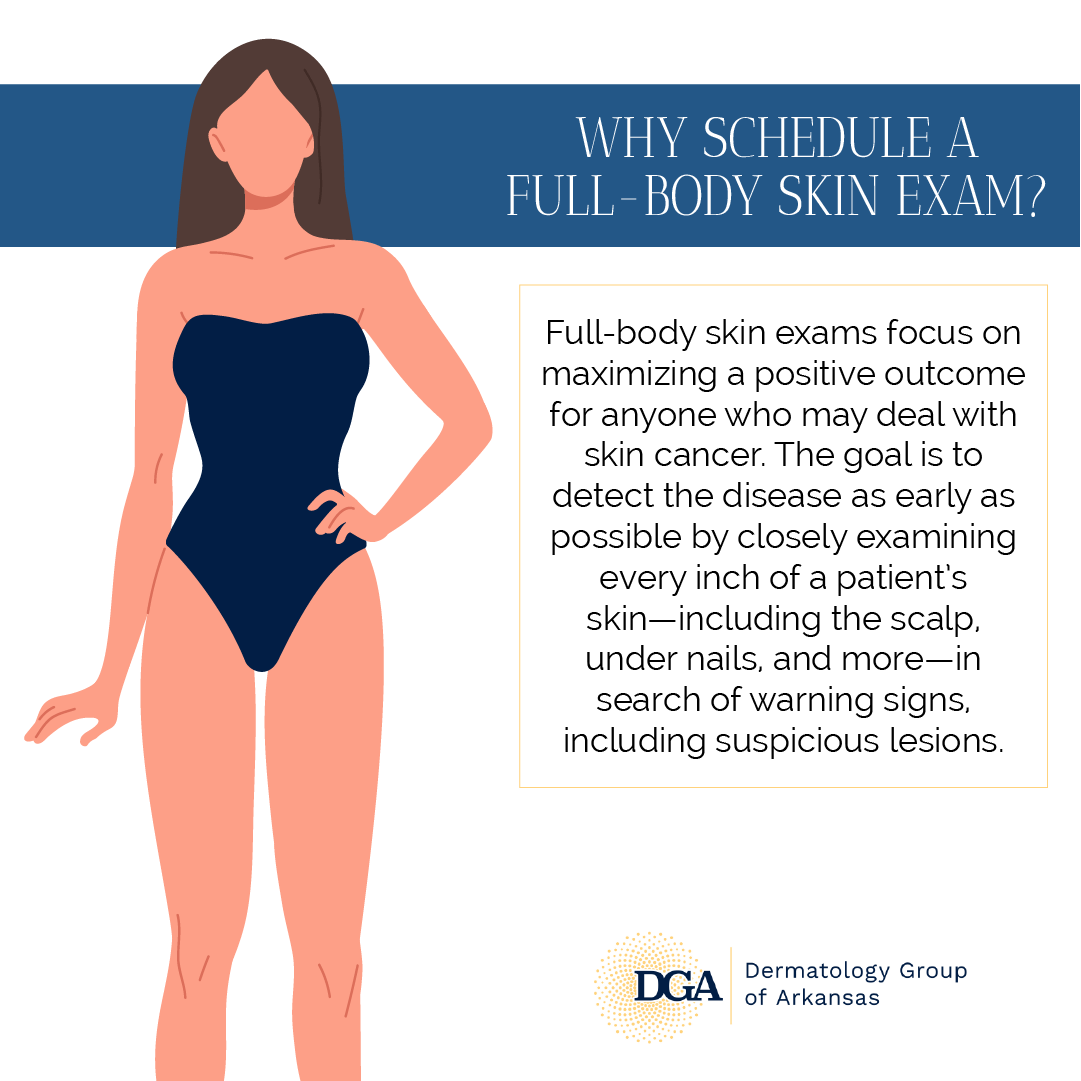
A full-body skin exam at the Little Rock area’s Dermatology Group of Arkansas takes around half an hour—and can allow a dermatologist to detect signs of skin cancer and other problems for life-saving results.
Who Should Get a Full-Body Skin Exam?
Common Risk Factors for Skin Cancer
Anyone can benefit from monitoring their skin, but professional full-body skin exams may be especially important for people with a personal or family history of skin cancer, numerous or changing moles, significant sun exposure, previous severe sunburns, a history of tanning bed use, or other risk factors.
How Often to Schedule a Full-Body Skin Check
Most adults benefit from annual full-body skin cancer screenings. If you have increased skin cancer risks—such as many or changing moles, a previous cancerous mole, or a history of melanoma—your dermatologist may recommend visits every 3 to 6 months. Between appointments, perform monthly self-checks and schedule a visit sooner if you see changes.
Sometimes full-body skin exams for skin cancer prevention may be recommended annually or every four to six months for patients who:
- Have a personal history of melanoma, other forms of skin cancer, or precancerous skin lesions such as actinic keratosis.
- Have first-degree relatives who have a history of melanoma.
- Have many moles or freckles or a history of atypical moles.
- Have light skin, hair, and eyes.
- Had many blistering sunburns during childhood.
- Have had one or more severe sunburns.
- Have used tanning beds in the past.
- Have a history of significant sun exposure.
- Have severe sun damage.
- Have moles that look different from the others in size and shape.
- Have a weakened or suppressed immune system.
Protect your skin with regular professional screening. Schedule a full-body skin exam at Dermatology Group of Arkansas in Little Rock, AR to check for suspicious moles, lesions, and early signs of skin cancer. Call 501-227-8422 or request an appointment online to get started.
How to Perform Skin Checks at Home
While a dermatologist can identify and treat suspicious skin changes during a full-body skin exam, you are often the first person to notice a new or changing spot. Performing regular skin self-exams at home can help you recognize potential warning signs of skin cancer between professional screenings.
Check your skin about once a month and look for new moles, changing moles, unusual growths, or changes in a spot’s size, shape, color, or appearance. Use a full-length mirror and hand mirror to examine areas that are difficult to see, including your scalp, back, and the backs of your legs. You can also ask a partner or family member to help check hard-to-see areas.
At-home skin checks should complement, not replace, professional skin cancer screenings. Combining regular self-exams with routine full-body skin exams by a dermatologist and consistent sun protection can help you detect concerning changes earlier and support long-term skin health.
What to Look for During a Full-Body Skin Exam
When performing a full-body mole check at home, watch for:
- Moles or spots that change in size, shape, or color
- Lesions that bleed, itch, or do not heal within a few weeks
- Asymmetrical spots or moles with irregular borders
- Areas with multiple or unusual colors
- Growths larger than 6 mm (about the size of a pencil eraser)
Even with careful self-monitoring, it can be difficult to distinguish harmless spots from potentially cancerous ones. That’s why routine visits with a dermatologist for a professional full-body skin exam and full-body skin cancer screening are essential for early detection and peace of mind.
Full-Body Skin Exam FAQs
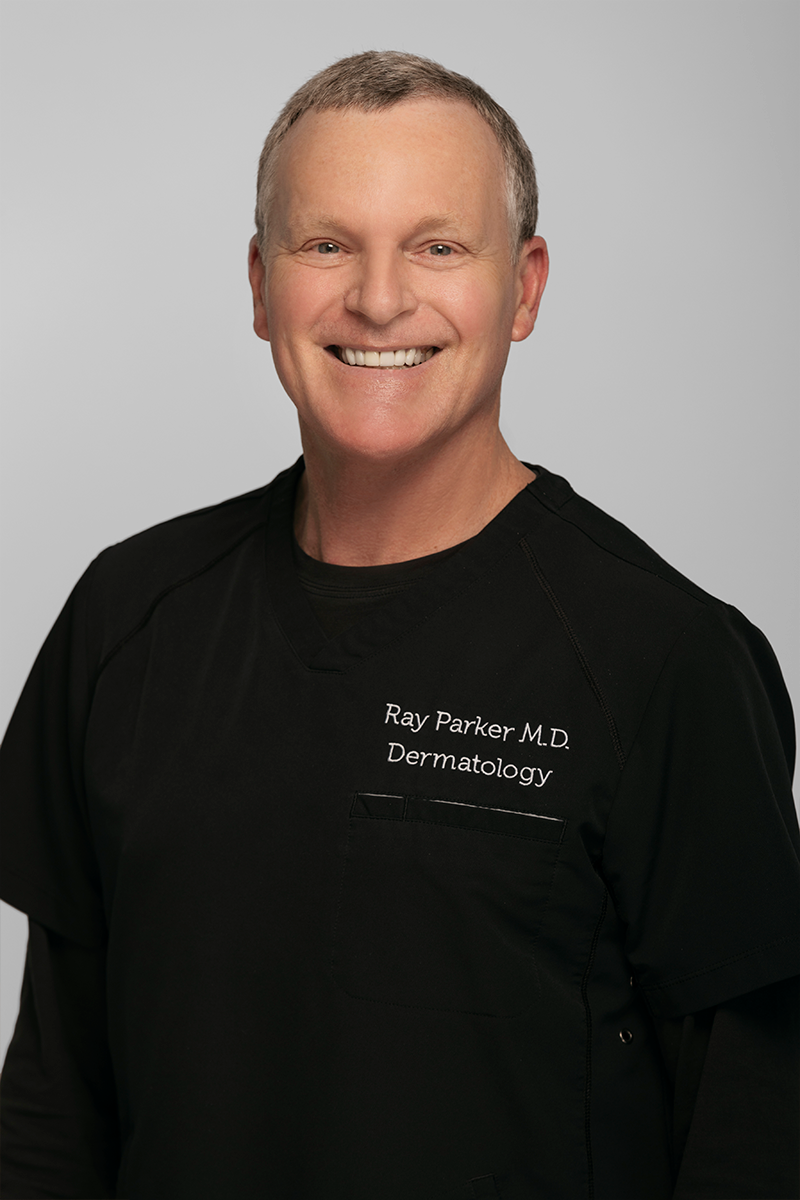
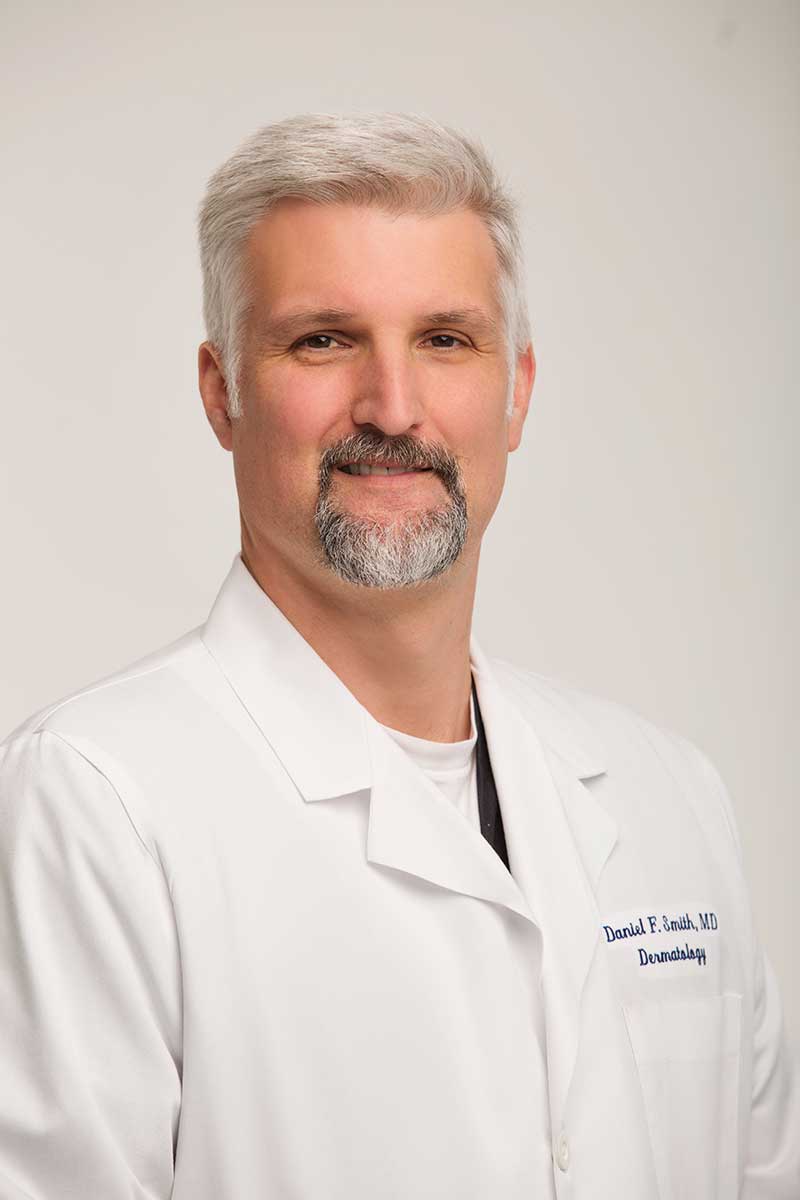
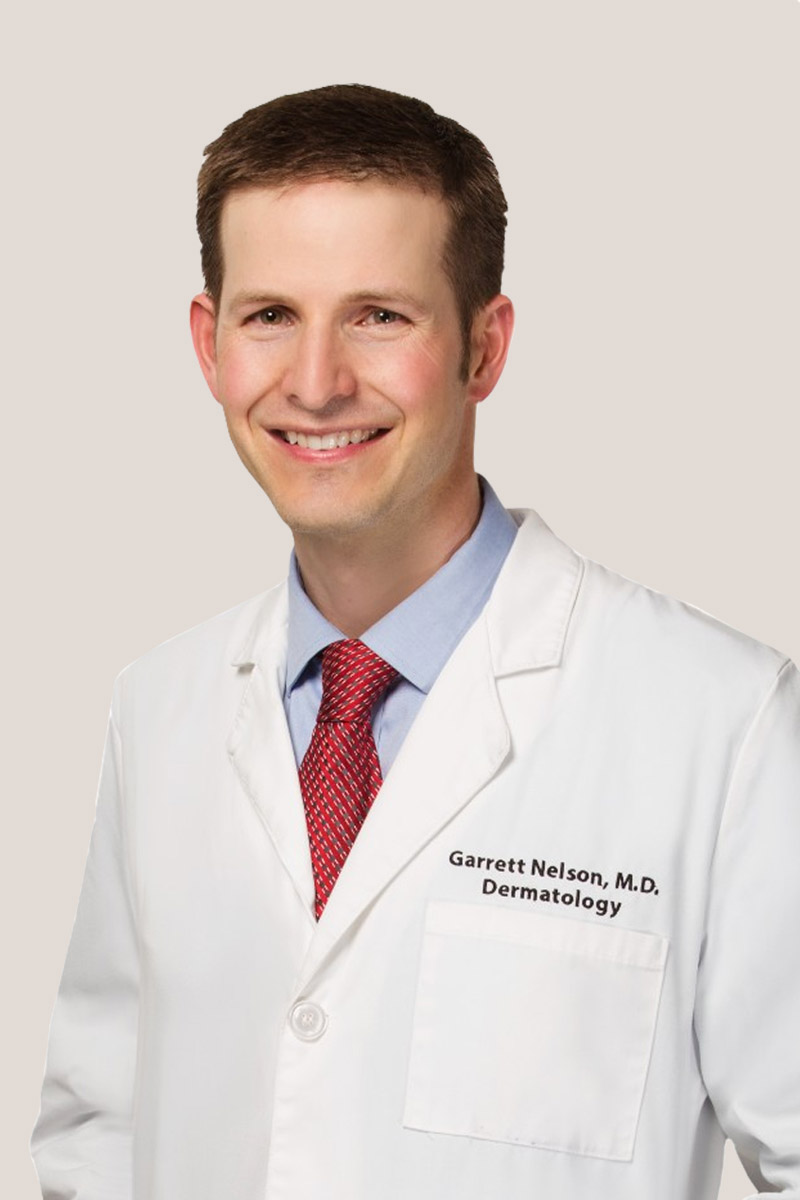
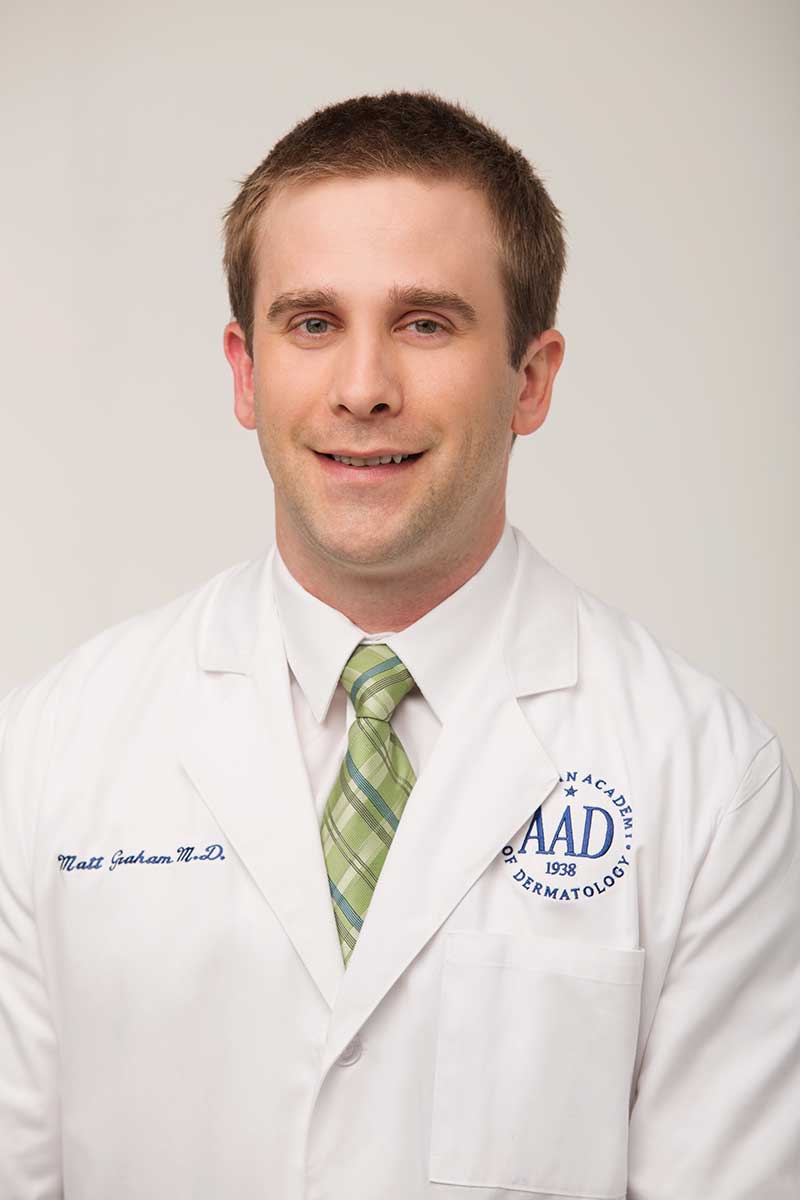
Meet Your Doctors
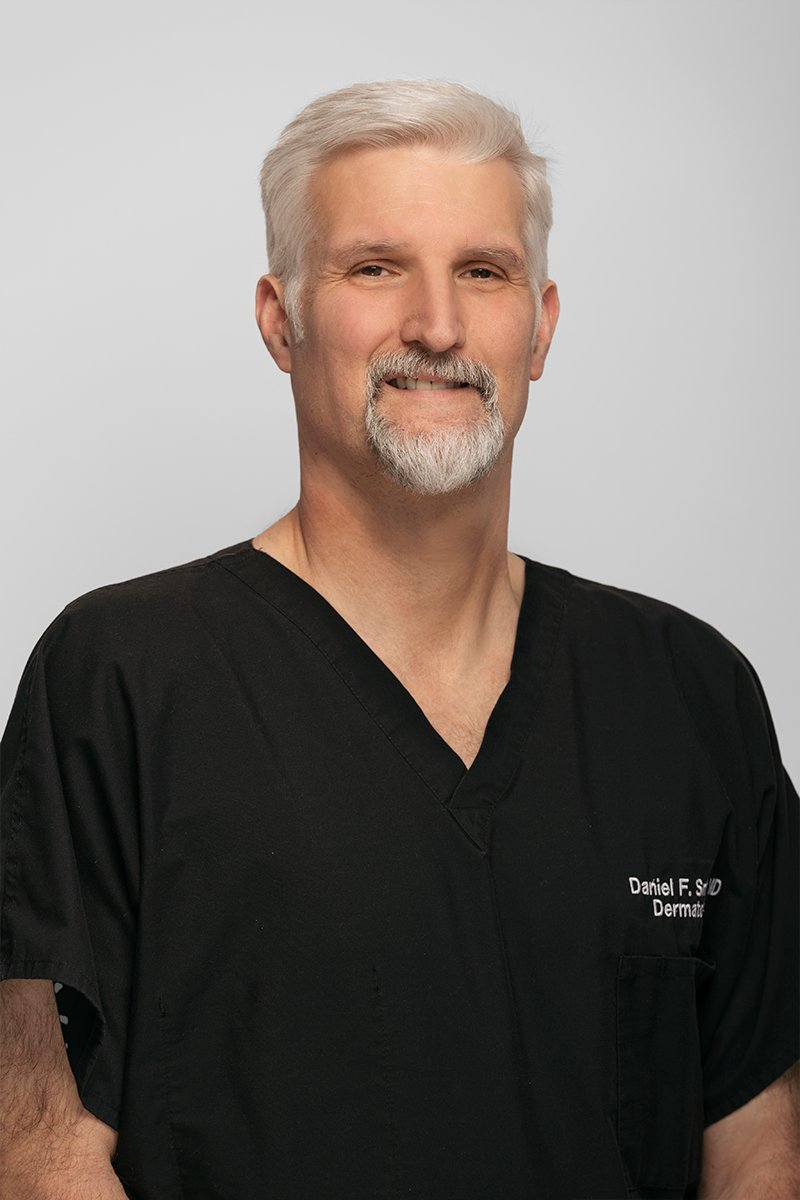

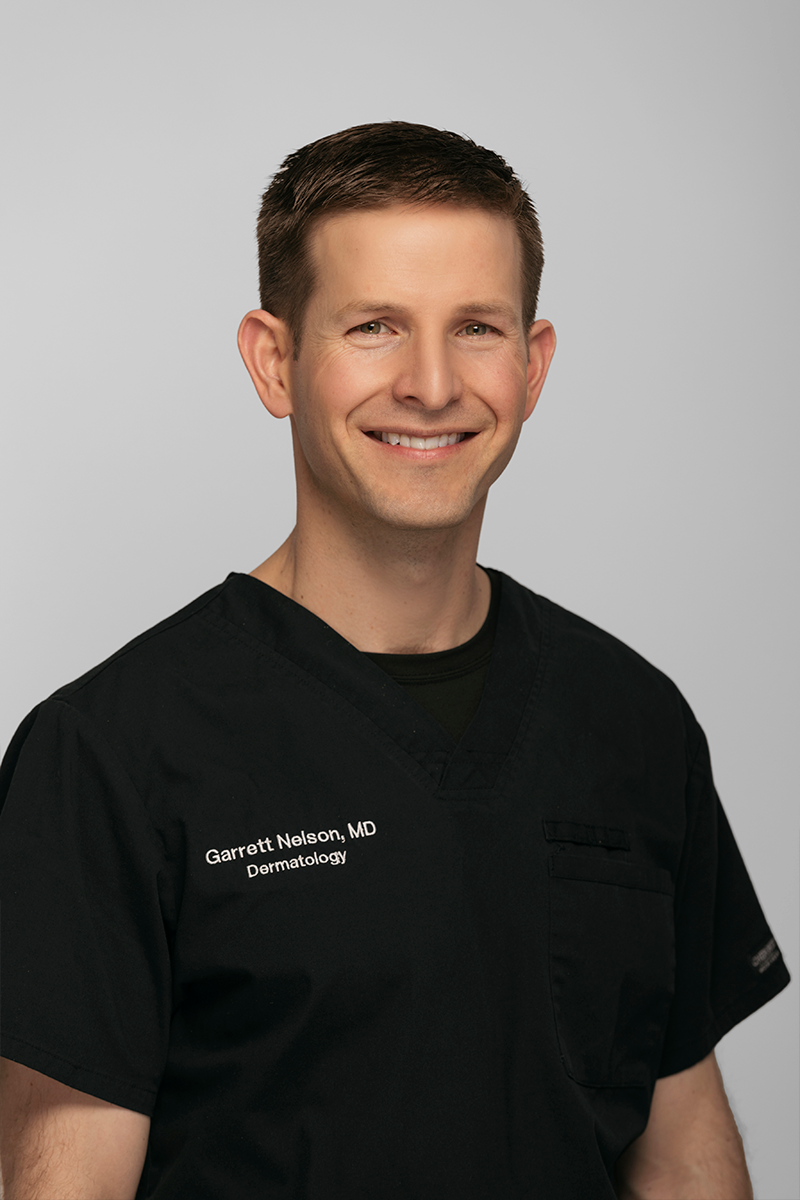
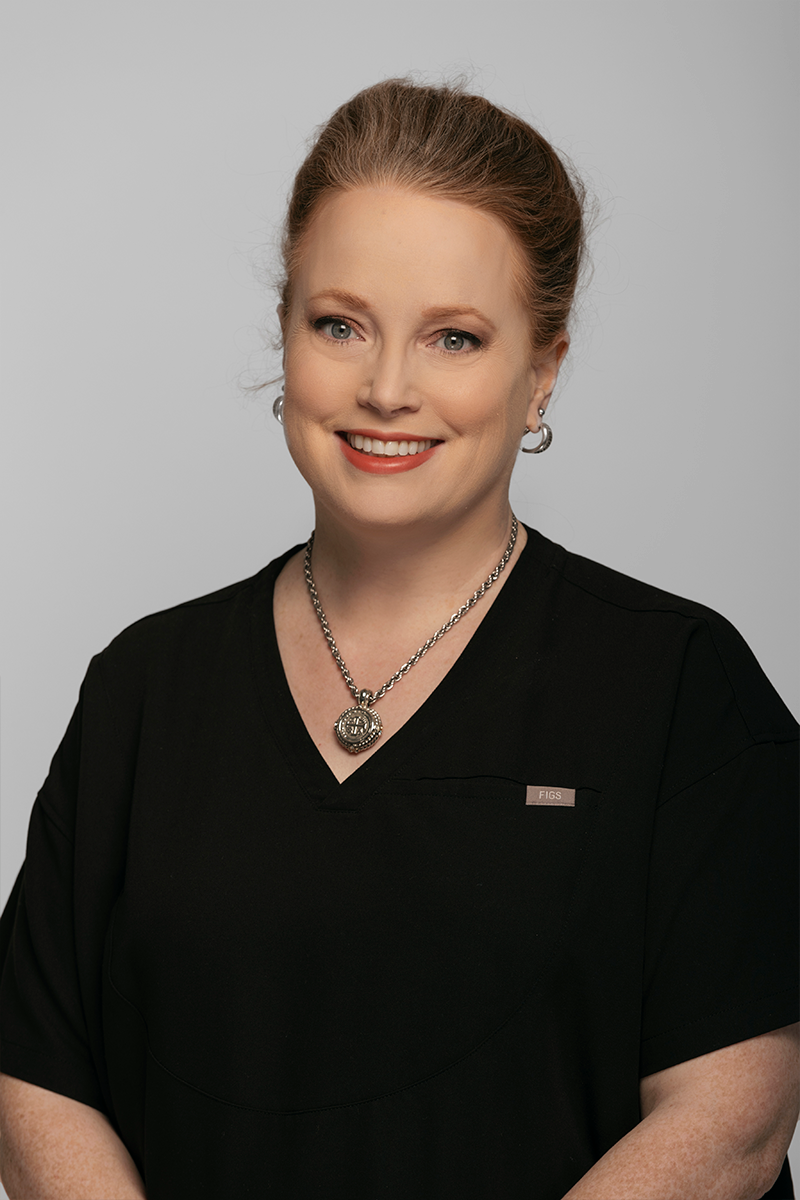
Meet Your Doctors

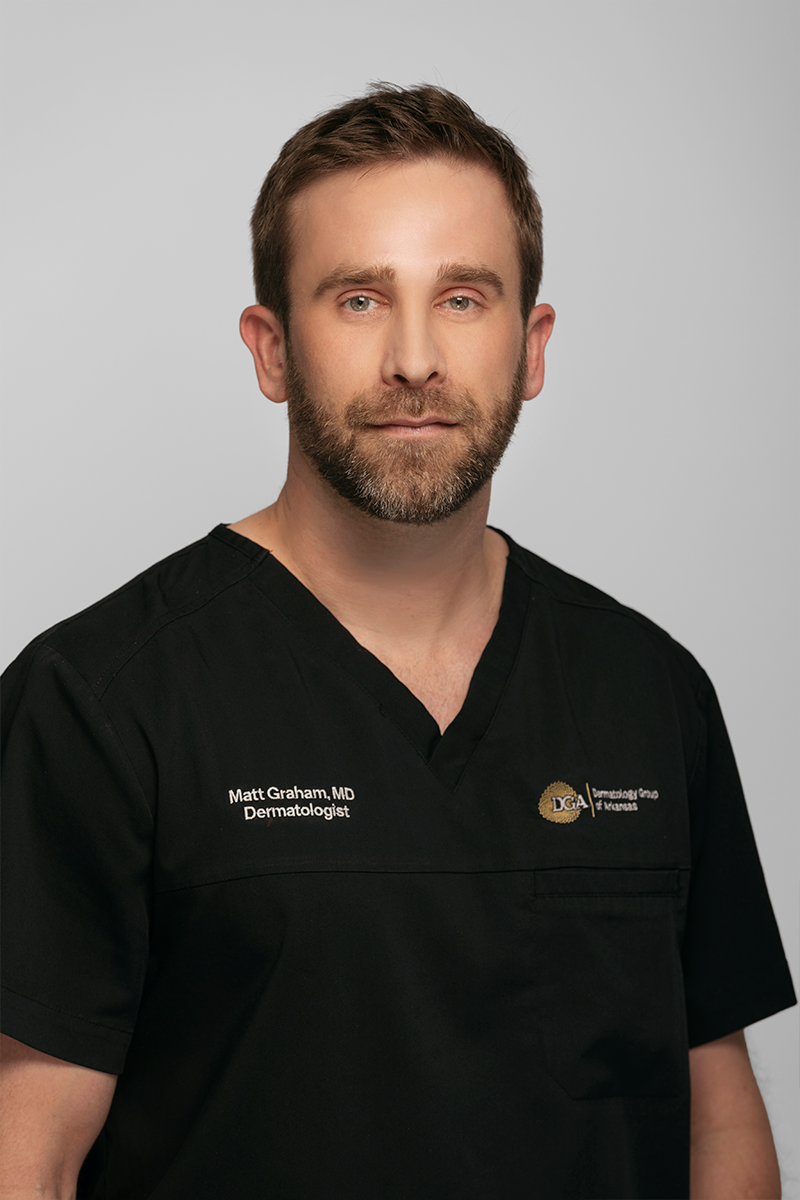
Meet Your Doctors




What is the ABCDE Rule of Skin Cancer Detection?
The ABCDE rule is a simple, widely used guide to help identify warning signs of skin cancer, particularly melanoma, the most serious type. It outlines five key characteristics to watch for when examining moles or spots on your skin:
- A — Asymmetry: One half of the mole does not match the other half in shape, size, or color.
- B — Border: The edges are irregular, scalloped, or poorly defined rather than smooth and even.
- C — Color: The color is not uniform and may include varying shades of brown, black, tan, red, white, or blue.
- D — Diameter: The spot is larger than 6 millimeters (about the size of a pencil eraser), though melanomas can be smaller.
- E — Evolving: The mole or spot changes over time in size, shape, color, elevation, or symptoms such as itching, bleeding, or crusting.
If you notice any of these signs—or any new or changing skin lesion—it’s important to schedule a professional skin exam. Early detection through a full-body mole check significantly improves skin treatment outcomes.
Why Choose Dermatology Group of Arkansas for Your Full-Body Skin Check
At Dermatology Group of Arkansas, our board-certified dermatologists provide comprehensive full-body skin exams for patients in Little Rock and throughout Central Arkansas. During your appointment, your dermatologist examines your skin from head to toe, looking for suspicious moles, changing lesions, precancerous skin changes, and possible signs of skin cancer.
Our approach may include:
- Comprehensive skin examinations: We evaluate the skin from the scalp to the soles of the feet, including areas that can be difficult to see on your own.
- Dermoscopy when appropriate: Dermoscopy can provide a closer evaluation of concerning moles and skin lesions.
- Biopsy when indicated: If a spot appears suspicious, your dermatologist can determine whether a biopsy or additional evaluation is appropriate.
- Skin cancer care: When a diagnosis is confirmed, we coordinate advanced skin cancer treatment, including excision and referrals for Mohs micrographic surgery when appropriate.
- Central Arkansas access: We welcome patients from Little Rock, Benton, Conway, Hot Springs, Pine Bluff, and surrounding communities.
Whether you are scheduling your first full-body skin exam or returning for ongoing skin cancer surveillance, our team can help you understand what is happening with your skin and determine appropriate next steps.
Explore Comprehensive Dermatology Services in Little Rock, AR
After a comprehensive full-body skin exam, the dermatology team at Dermatology Group of Arkansas provides medical dermatology care for a wide range of skin conditions and concerns. Our dermatologists diagnose and treat skin cancer, psoriasis, rosacea, eczema, and other acute and chronic skin conditions, developing treatment plans based on your symptoms, diagnosis, and individual needs. The goal is to relieve symptoms, improve skin health, and provide effective long-term management when appropriate.
Dermatology Group of Arkansas also offers comprehensive cosmetic dermatology treatments to improve the appearance, tone, texture, and overall health of your skin. Cosmetic options include BOTOX® Cosmetic to reduce the appearance of dynamic wrinkles, Juvéderm® and other dermal fillers to restore facial volume and smooth lines, laser skin resurfacing to improve uneven skin tone and texture, and chemical peels and microneedling to refresh and rejuvenate the skin. These treatments can be tailored to your specific cosmetic goals and may be used individually or as part of a customized skin rejuvenation plan.
Contact Us Today
Early detection can make a significant difference in identifying skin cancer early, when it is often easier to treat. Schedule a comprehensive full-body skin exam at Little Rock’s Dermatology Group of Arkansas. Call 501-227-8422 or request an appointment online today.